


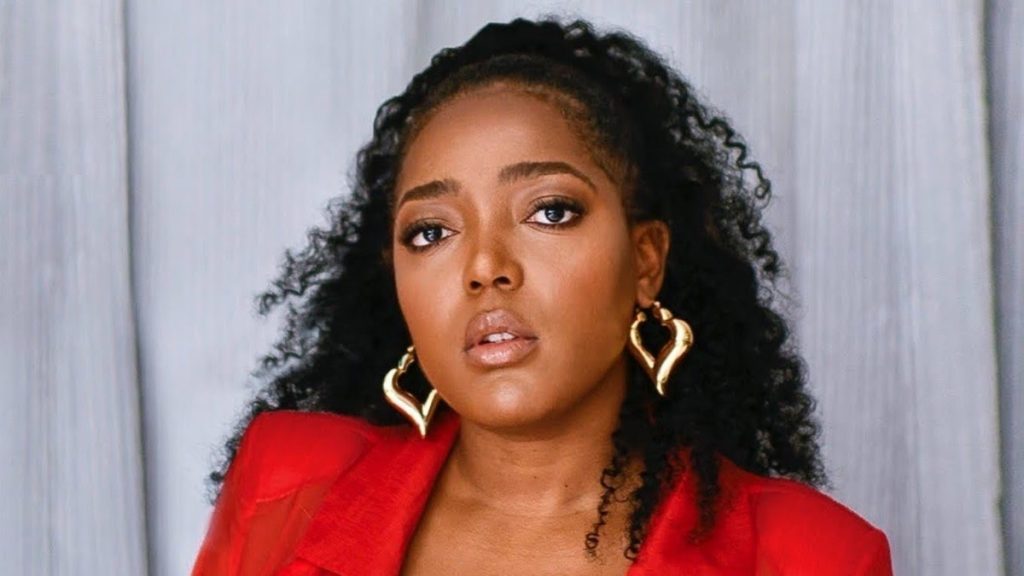
After 14 years of building one of contemporary fashion’s most culturally resonant independent brands, Anifa Mvuemba has confirmed that Hanifa is pausing production indefinitely as of March 2026.
In a candid interview with The Cut, Mvuemba shared a written statement that reads less like a business update and more like a deeply personal reckoning. “I don’t really feel inspired right now,” she wrote. “I don’t want to rush just to prove resilience. I don’t want to pretend everything is fine just to keep momentum.” On Instagram, she distilled it further: “Sharing this took a lot. It’s always been bigger than clothes for me. I just need time.”
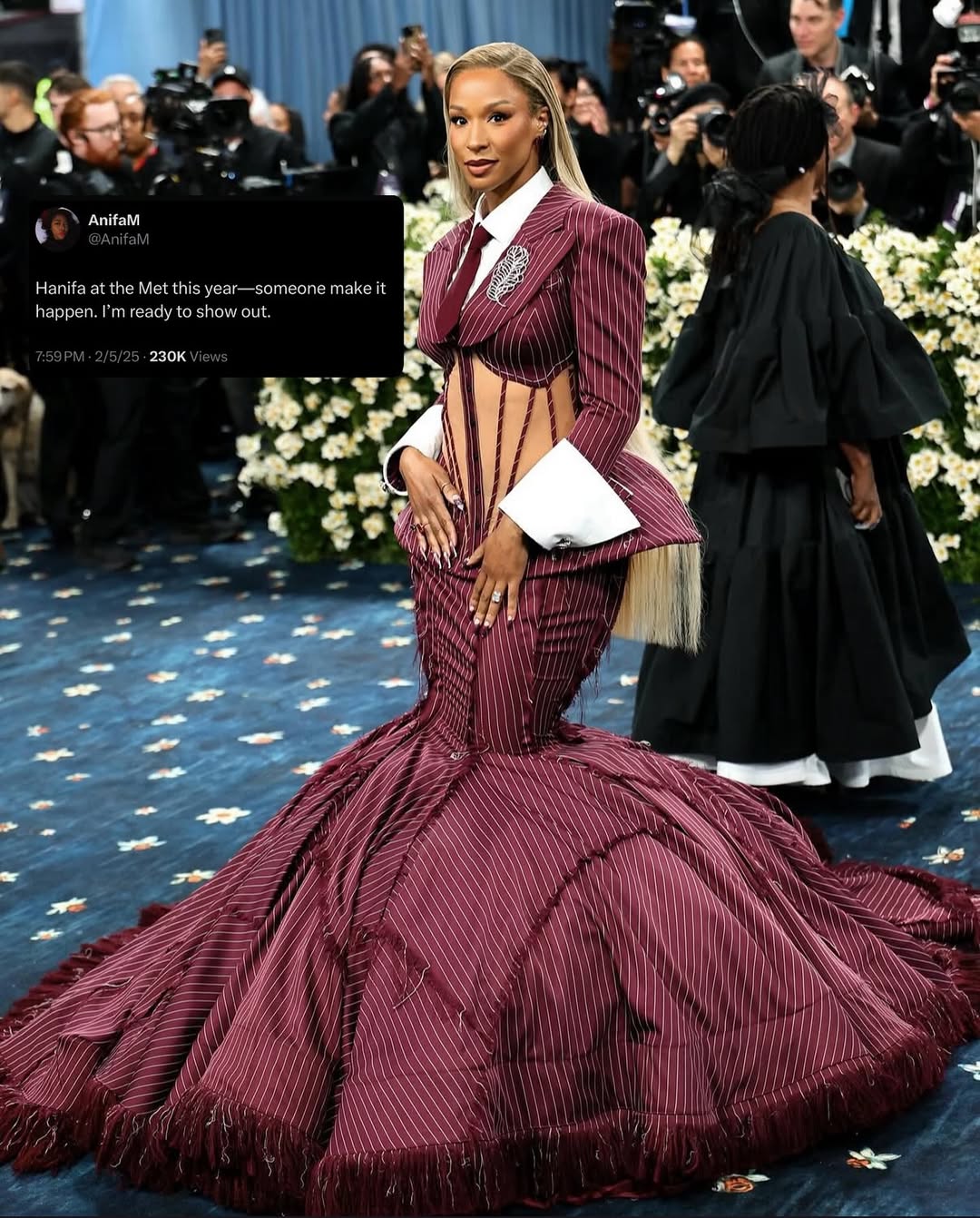
To understand the weight of this moment, you have to rewind to 2011, when Hanifa launched with form-flattering silhouettes, inclusive sizing up to 3X and a direct-to-consumer intimacy that made customers feel seen. The brand’s defining breakthrough arrived in 2020, when, at the height of the pandemic, Mvuemba debuted a 3D virtual runway show featuring ghost models walking in midair. The presentation went viral, transforming Hanifa from a beloved independent label into a cultural force. In 2021, the brand staged its first in-person show at the National Portrait Gallery in Washington, D.C., casting real women from Mvuemba’s own community and reinforcing the emotional connection at the heart of the brand.
That relationship with customers has always been Hanifa’s greatest strength, which made the challenges of the past year especially painful. During the brand’s annual Hanifa Friday sale last November, some pieces were offered as preorders with extended shipping windows. Production delays from manufacturers disrupted those timelines, leaving customers waiting far longer than anticipated. Updates were shared in December and January, but frustration mounted online as missed occasion wear, delayed communication and quality critiques spread across TikTok, Instagram and YouTube. What began as shipping complaints quickly expanded into broader criticism of the brand’s operations.
Mvuemba publicly apologized and confirmed that all Hanifa Friday orders have since been fulfilled. But the scrutiny continued — and it unfolded at a deeply personal time. She had given birth in December and shortened her maternity leave to manage the crisis. “There were nights where I was sobbing in one room and then wiping my face to go be the best mom I could be for my children in the next room,” she wrote. “I just had a baby. I didn’t fully process any of it because I went straight from postpartum into crisis management.”
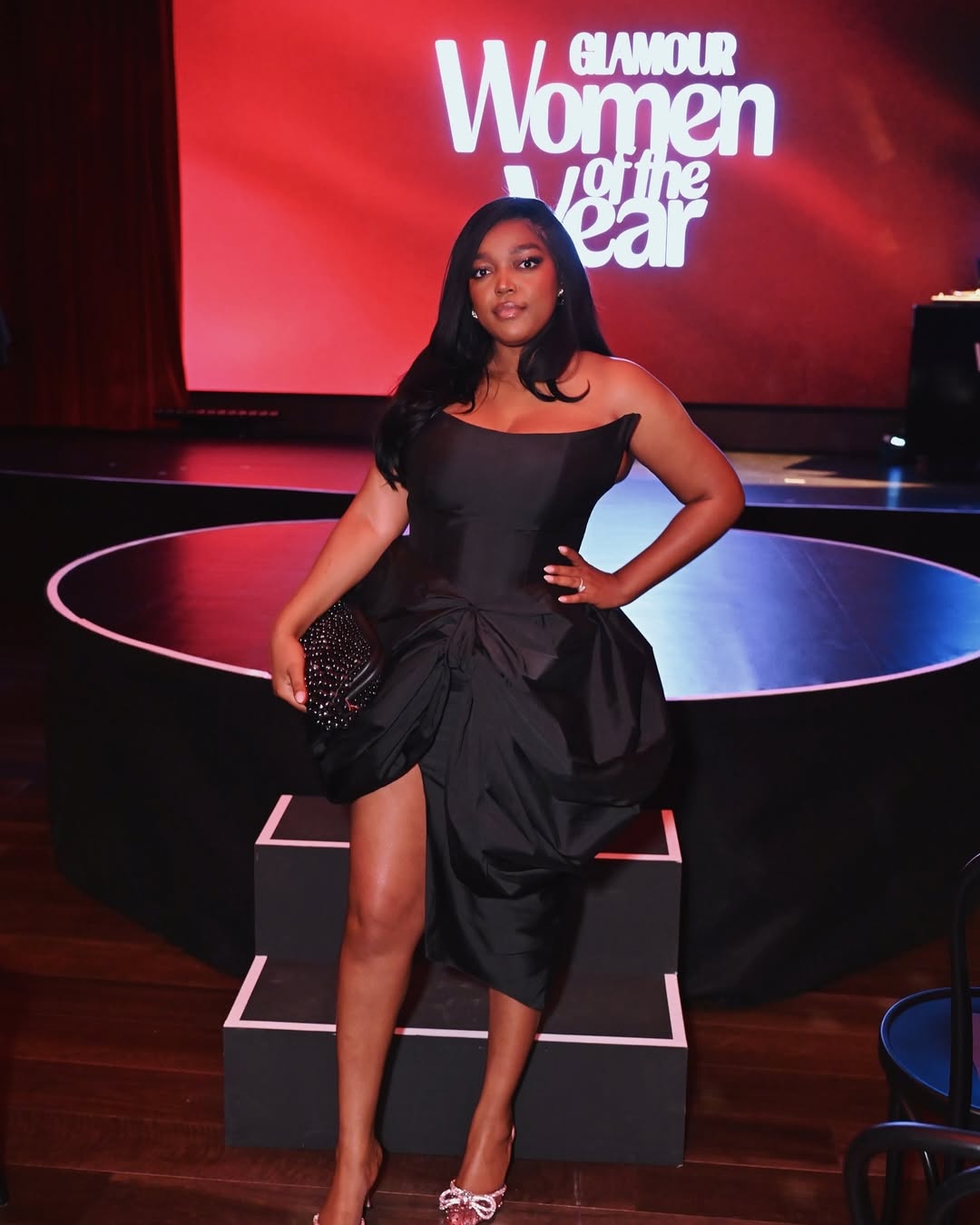
In her conversation with The Cut, she addressed the specific weight of navigating public backlash as a Black woman founder. “I also believe you can hold someone accountable without being cruel. Somewhere along the way, it stopped being about the problem and got personal. We’re a brand, but we’re also people.” She added, “Founder-led brands operate under a different kind of scrutiny. And when you’re a Black woman, the margin for grace is thinner. That reality is exhausting.”
Through it all, her core community remained vocal in their support, flooding her comments with reminders of what Hanifa has meant to them. But for Mvuemba, the pause is about something deeper than reputation management or revenue recovery. “The years I’ve poured into building this. The time away from friends and family. The moments with my children I won’t get back. Is it all worth it? Was it? I don’t have a perfect answer. I’m still sitting with the question,” she wrote.
Still, she is clear this is not a definitive ending. “There’s also so much gratitude in knowing we’re still here. What we just navigated could have ended things. It didn’t. And that means something. Right now, I’m reflecting. I’m protecting what matters to me in this season. And I’m allowing myself to be human in the process. I don’t know exactly what the future of Hanifa looks like at this very moment. And for the first time in 14 years, I’m okay with saying that out loud.”
For an industry that often equates constant output with success, Mvuemba’s decision feels quietly radical: choosing clarity over momentum, and humanity over performance.