


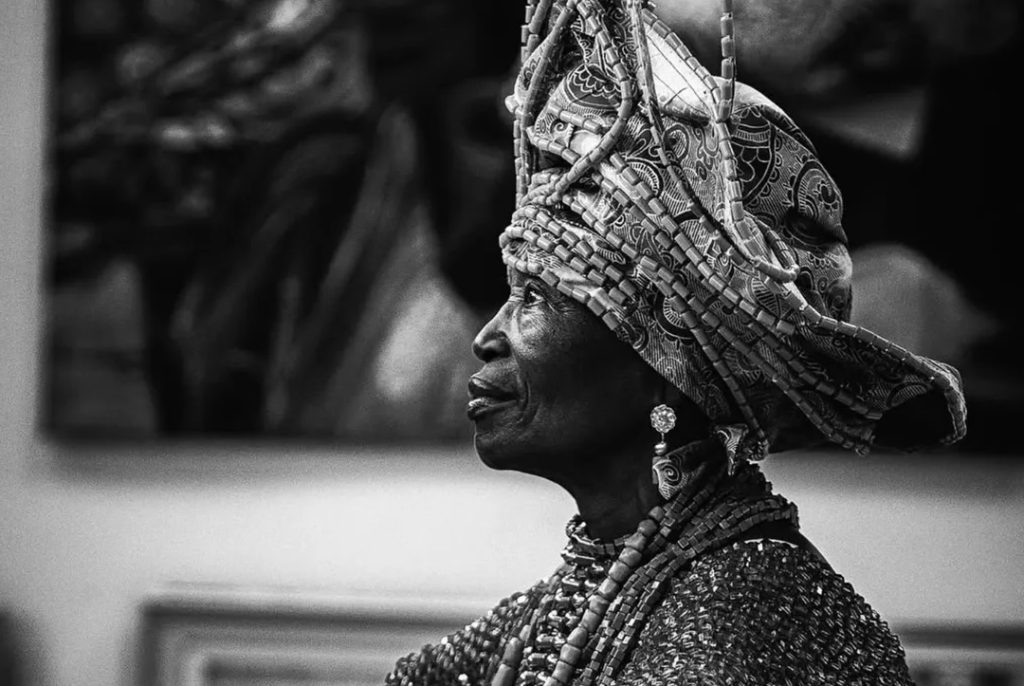
When conversations about African fashion and creativity take centre stage today, it is easy to admire the finished product—the bold prints, hand-dyed fabrics and intricate craftsmanship that have become symbols of African excellence. What is often forgotten are the people who quietly fought to ensure those traditions survived long enough to be celebrated. Chief Nike Monica Okundaye is one of those people.
For over five decades, she has dedicated her life to proving that culture is not something to be admired from a distance. It is something that must be practised, protected and passed on. While many artists are remembered for the works they create, Chief Nike’s greatest masterpiece may well be the generations of artists, designers and craftspeople whose lives have changed because she refused to let traditional knowledge disappear.
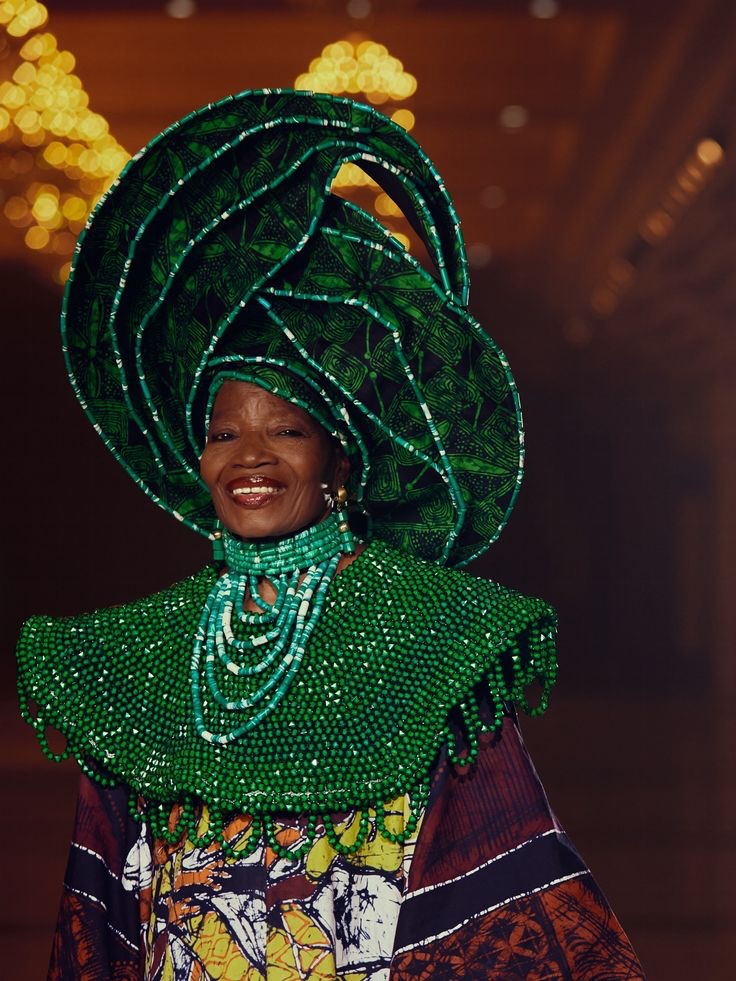
Born on 23 May 1951 in Ogidi-Ijumu, Kogi State, Chief Nike grew up in a family where creativity was woven into everyday life. Her earliest classroom was not a lecture hall but the women in her family, particularly her great-grandmother, who taught her the delicate processes of weaving, embroidery and the centuries-old Yoruba tradition of adire—the resist-dyeing technique that has become one of Nigeria’s most recognised textile arts.
Unlike many celebrated artists, Chief Nike did not build her reputation through formal art school training. Instead, she learnt through observation, repetition and discipline. Every thread she wove and every fabric she dyed became part of an education rooted in heritage rather than textbooks. That unconventional beginning would later shape her philosophy: knowledge should be shared freely so that culture never becomes exclusive.
Her journey was far from straightforward. As a young girl, she experienced poverty and personal hardship, including an early marriage that could easily have interrupted her ambitions. Yet even during difficult seasons of her life, she continued creating. Art was never simply a profession; it became a means of survival, self-expression and eventually, empowerment. Those experiences also deepened her belief that creativity could become an economic lifeline, particularly for women who had few opportunities to earn an independent income.
By the early 1980s, Nigeria was changing rapidly. Industrialisation and imported fabrics threatened many indigenous textile traditions. Rather than accepting the decline of adire and other local crafts, Chief Nike chose to become their fiercest advocate. In 1983, she established her first art centre in Osogbo, not merely as a gallery but as a living classroom where traditional techniques could be taught, practised and preserved. She funded the initiative through her own earnings, believing that investing in people would produce a legacy far greater than investing in buildings.
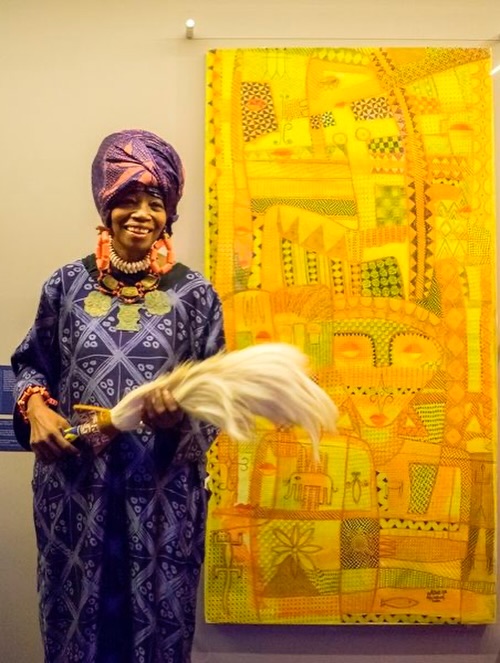
That single decision transformed countless lives. What began with a small group of young women eventually grew into a network of galleries, workshops and cultural centres across Lagos, Abuja, Osogbo and her hometown of Ogidi-Ijumu. Through these centres, thousands of aspiring artists have received practical training in adire, batik, weaving, painting, beadwork and other traditional crafts. Many have gone on to establish successful businesses, employ others and become custodians of Nigeria’s artistic heritage themselves.
Chief Nike’s influence extends far beyond Nigeria. Her artworks have travelled across Europe, North America, Asia and Africa, appearing in galleries, universities and museums that recognise their artistic and cultural significance. Institutions including the Smithsonian National Museum of African Art and the Museum of Modern Art have featured or collected her work, reinforcing her place among the artists who have helped shape global conversations about African creativity.
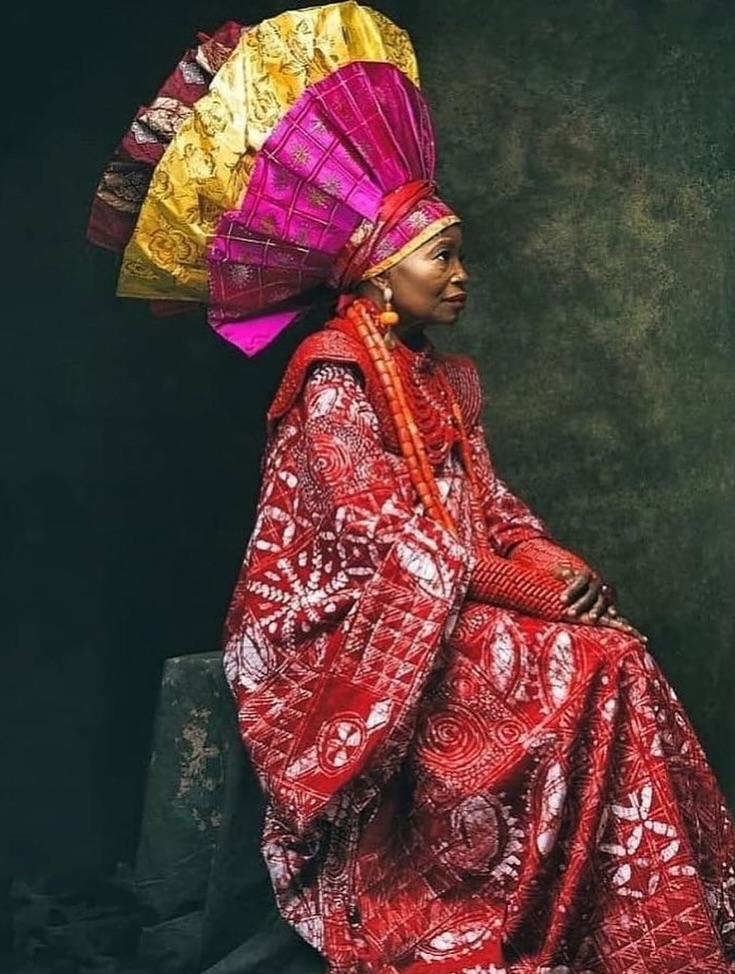
Yet international recognition has never become the centre of her story. Throughout interviews over the years, she has consistently returned to one message: art should uplift people. This belief explains why she continues to invest time in mentoring emerging artists and preserving indigenous knowledge instead of allowing it to exist only inside museum walls. For her, culture remains meaningful only when ordinary people can learn it, practise it and build livelihoods from it.
Perhaps that is why so many people affectionately call her “Mama Nike.” The title reflects more than respect for her achievements; it recognises her role as a mentor whose influence stretches far beyond her own artwork. She has become a bridge between generations, connecting ancestral knowledge with contemporary creativity while reminding young Africans that innovation does not require abandoning tradition.
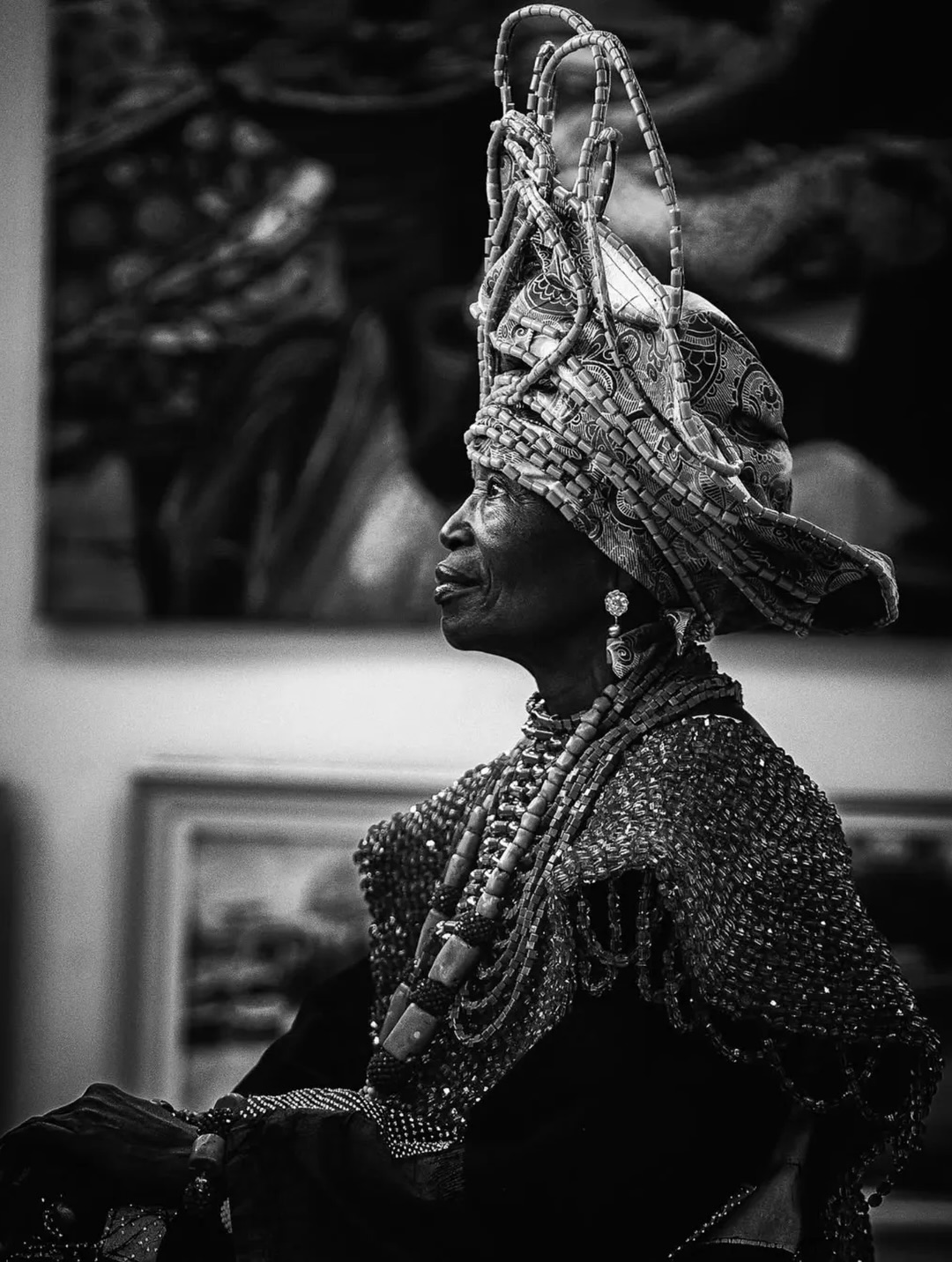
Today, as African fashion continues to gain international acclaim, traces of Chief Nike’s influence can be seen everywhere, from luxury runways embracing handcrafted textiles to young designers proudly incorporating indigenous techniques into modern collections. Whether they realise it or not, many are walking through doors that pioneers like her spent decades opening.
Chief Nike Okundaye’s legacy cannot be measured solely by exhibitions, awards or galleries. It is found in every artisan who discovered confidence through the skills she shared, every young woman who achieved financial independence through craft, and every piece of adire that continues to carry Nigeria’s story into the future.
In preserving cloth, she preserved memory. In teaching art, she restored dignity. And in protecting tradition, she ensured that one of Nigeria’s greatest cultural treasures would never become a forgotten chapter of history.