


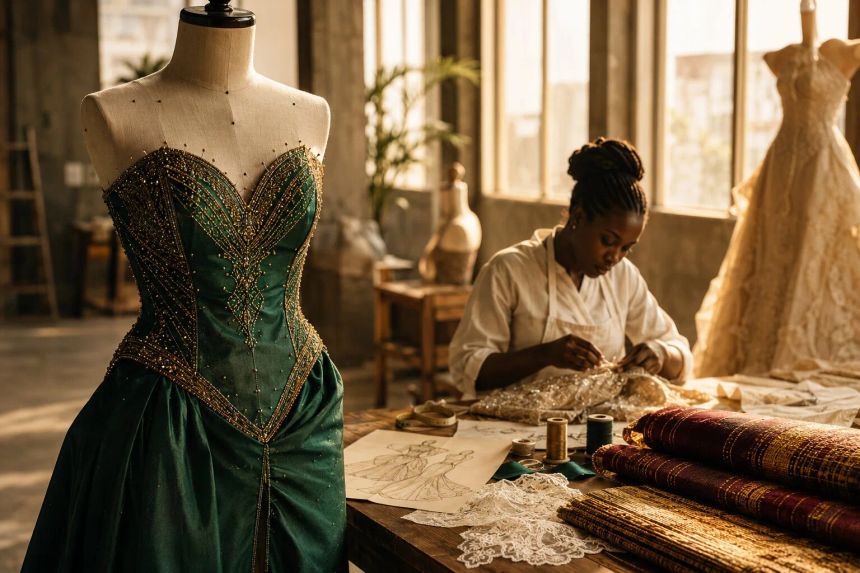
You want a custom outfit. You walk into a tailor’s shop. You see a price. You pay.
But what are you actually paying for?
It’s not just “sewing.” A bespoke outfit in Nigeria costs what it costs because of six things working together. Let’s break them down in plain words.
1. Fabric — The Biggest Cost
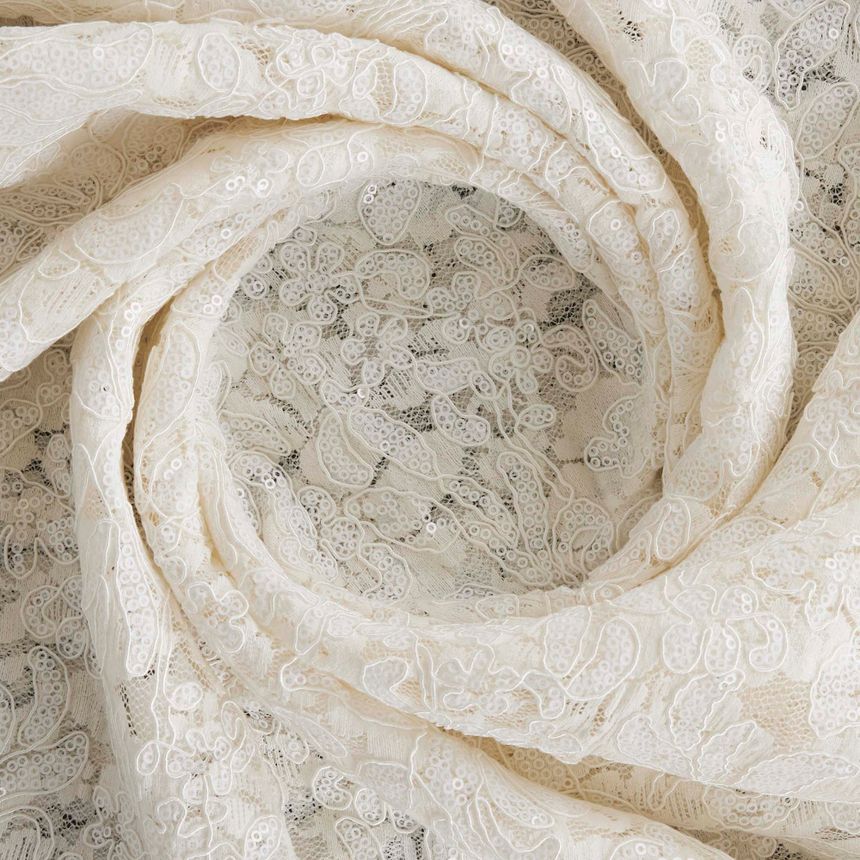
Fabric is the single biggest part of your bill.
A good piece of aso-oke, lace, or imported wool can cost more than the tailor’s labor. If your outfit uses sequins, beads, or hand-embroidery, that adds more on top.
Rule of thumb: Budget 40–60% of your total outfit cost on fabric and materials.
2. The Tailor’s Time and Skill
Bespoke means made for you. That means:
- A custom pattern (not a size M from a rack)
- Multiple fittings (usually 2–3)
- More hours at the machine
A skilled tailor in Lagos or Abuja charges more than one in Kano or Ibadan. You’re paying for location, rent, and experience.
Typical labor cost (workmanship only):
| Outfit | Price (₦) |
| Simple Ankara top/skirt | 4,000 – 12,000 |
| Senator / kaftan | 8,000 – 25,000 |
| Full agbada set | 25,000 – 80,000 |
| Two-piece suit | 30,000 – 120,000 |
| Wedding gown | 100,000 – 500,000+ |
3. Design Complexity
A plain shirt costs less than a heavily embroidered agbada. Always.
The more handwork, beadwork, or intricate patterns you want, the higher the price. If you see a designer’s portfolio and think “I want that,” expect to pay for it.
4. The Designer’s Name
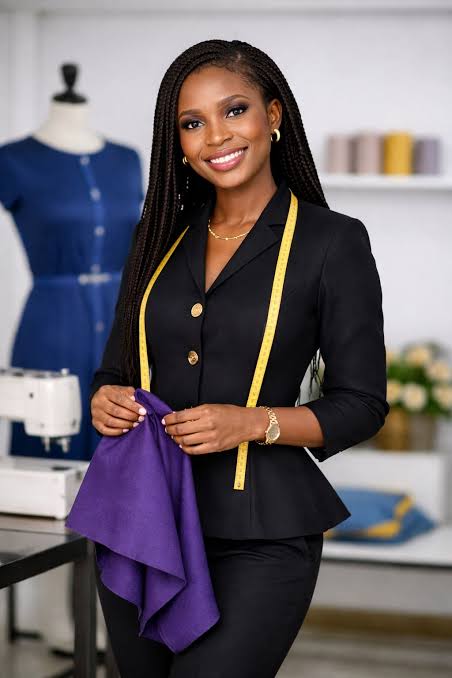
This is real. A famous designer charges more than a skilled but unknown tailor. You’re paying for:
- Their reputation
- Years of practice
- Exclusivity (not everyone gets their style)
If you want a specific designer, add 30–100% on top of a standard tailor’s price.
5. Location
Where the tailor sits matters.
| City | Typical Range (₦) | vs. National Average |
| Lagos | 13,650 – 31,200 | +40% |
| Abuja | 13,125 – 30,000 | +34% |
| Port Harcourt | 11,550 – 26,400 | +18% |
| Enugu | 9,450 – 21,600 | −3% |
| Ibadan | 8,925 – 20,400 | −8% |
Same outfit, different city, different price.
6. Finishing and Presentation
Good designers include neat pressing, quality lining, branded packaging, and sometimes a small gift. These small touches add up and they’re part of why a designer’s outfit feels premium the moment you open the bag.
Is Bespoke Worth It in Nigeria?
Here’s the honest math:
- A bespoke two-piece suit in Nigeria: ₦30,000 – ₦120,000 (~$220–$450)
- A comparable imported suit + alterations: $500–$1,000+
You get a better fit, longer life, and a piece made for your body. The trade-off? You wait 3–6 weeks, and you’re trusting one person with your outfit.
Bottom line: For event wear, weddings, and anything you’ll wear for years — bespoke wins. For everyday basics, a simple off-the-rack option may be smarter.
How to Get the Best Value
- Bring your own fabric if you know what you want. You control the cost.
- Ask for a written quote before work starts. No surprises.
- Check the tailor’s past work. Photos, not promises.
- Budget for 2 fittings. If a tailor says “one fitting is enough,” be cautious.
- Compare 2–3 tailors in your area before committing.
Frequently Asked Questions
How much does a tailor cost in Nigeria in 2026?
Workmanship alone ranges from ₦4,000 for a simple top to ₦120,000+ for a full bespoke suit. Add fabric and embellishments, and a complete outfit typically falls between ₦20,000 and ₦500,000.
Why are some Nigerian tailors so expensive?
They charge for skill, time, reputation, and location. A tailor in Lekki or Maitama has higher rent and more demand than one in a smaller town. Complex designs with handwork also drive the price up.
Is bespoke cheaper than buying ready-to-wear?
For suits and event wear, yes. A Nigerian bespoke suit costs less than an imported one plus alterations. But for simple everyday items, off-the-rack is usually cheaper and faster.
How long does a bespoke outfit take?
Most tailors need 2–4 weeks for a standard outfit. Complex pieces like heavily embroidered agbadas or wedding gowns can take 4–8 weeks.
Final Word
You’re not just paying for a stitch. You’re paying for fabric, time, skill, location, and a name. Knowing what each part costs helps you budget smart and get the most for your money.
Next time a tailor quotes you a price, you’ll know exactly where every naira goes.