



Award-winning Nigerian filmmaker Meji Alabi is taking on one of the most emotionally significant projects of his career with Surviving Biafra, an upcoming BBC World Service documentary examining the lasting human impact of the Nigerian Civil War.
Produced by the BBC Africa Eye team, the 75-minute documentary brings together firsthand accounts from individuals who experienced the conflict from opposing sides including soldiers, civilians and survivors whose lives were permanently shaped by the war.
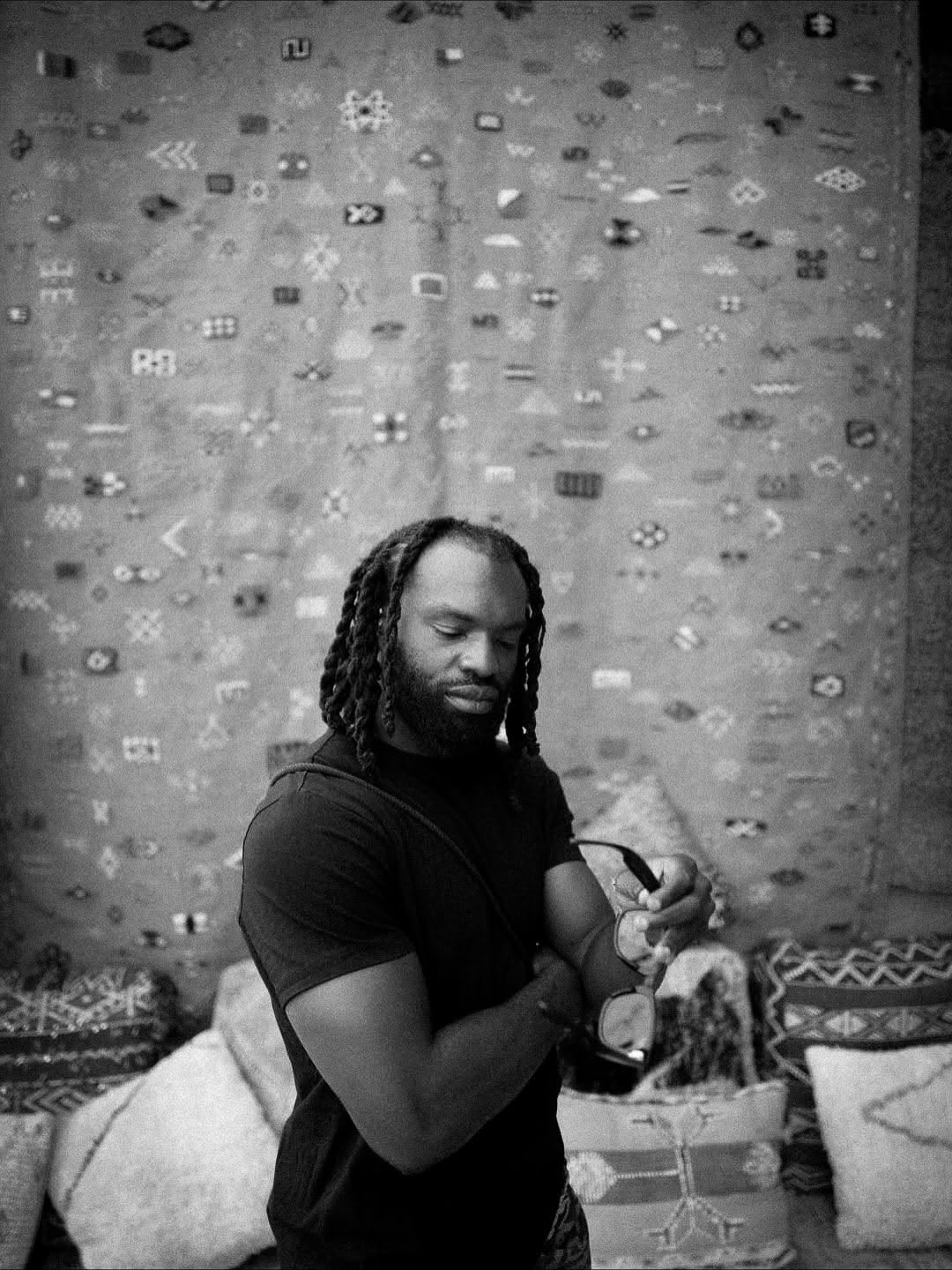
For Alabi, however, the film is far more than a historical production. It is also deeply personal.
At the centre of Surviving Biafra is a series of conversations between the filmmaker and his grandfather, a former army commando who lived through the conflict firsthand. The interviews form part of a broader effort to preserve fading memories from a generation of survivors now largely in their seventies and eighties.
Speaking about the project, Alabi described the documentary as an urgent mission to archive stories that risk being lost with time.
“Like so many Nigerians, my grandfather’s life was forever shaped by the Biafran War,” he shared. “With each passing year, fewer survivors remain, but the memories of what they witnessed have never left them. It is now the responsibility of younger generations to preserve these stories before they disappear forever.”
Best known globally for directing visually striking music videos for artists such as Wizkid, Burna Boy, and Davido, Alabi has built a reputation as one of Nigeria’s most influential visual storytellers. He also made his feature film directorial debut with Water & Garri, starring Tiwa Savage. With Surviving Biafra, he shifts from stylised music visuals to historical storytelling grounded in memory, trauma and national identity.

The documentary arrives at a time when conversations surrounding the Nigerian Civil War continue to carry strong political and emotional relevance. As discussions around regional identity and separatist movements persist in parts of Eastern Nigeria, the film seeks to revisit the historical realities of the conflict through personal testimony rather than political rhetoric.
The Nigerian Civil War, fought between 1967 and 1970, remains one of the deadliest conflicts in African history. Estimates suggest that between 600,000 and three million people died during the war, with starvation and humanitarian crises accounting for a significant number of casualties.
As the sixtieth anniversary of the conflict approaches, Surviving Biafra aims to document not only the events that led to the war, but also the emotional and generational scars it left behind.

According to BBC Global Journalism Director Liz Gibbons, the documentary was developed to bring these deeply human stories to an international audience while highlighting the devastating consequences of war through firsthand experiences.
The film will also feature previously unseen archival footage from the frontline, offering viewers a rare visual record of the conflict alongside the testimonies shared throughout the documentary.
Surviving Biafra premieres on June 1 and will be available on BBC iPlayer and YouTube.