


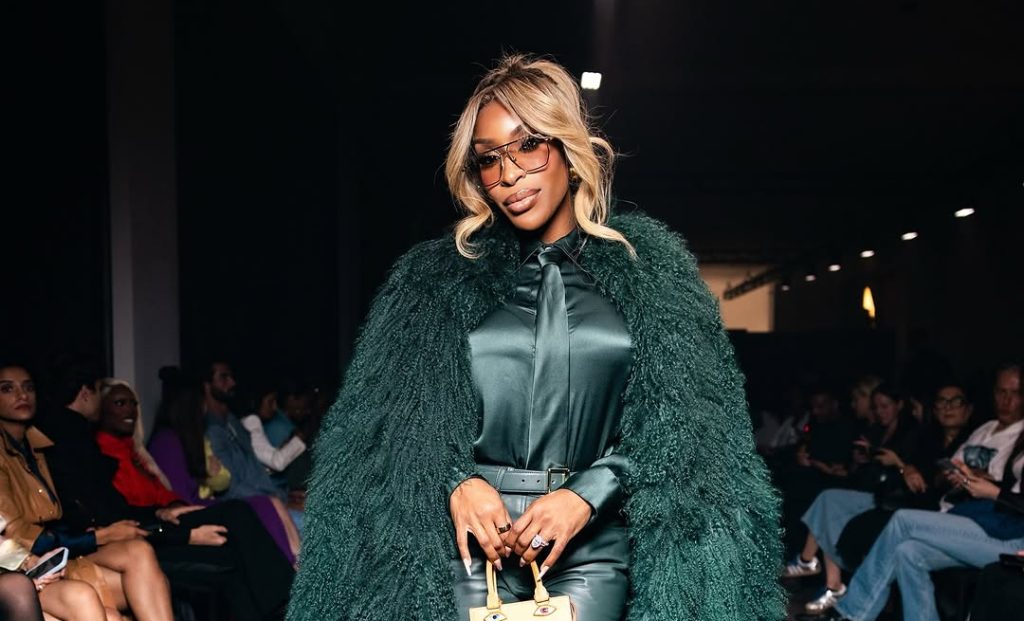
New York Fashion Week has always been equal parts runway drama and street style theatre — but this season felt different. Nigerians didn’t just attend; they arrived with looks rooted in craft, color and culture, turning sidewalks into their own storyboards. From sculptural tailoring to handcrafted textiles and slick diaspora polish, these were the moments you screenshot, saved, and promptly showed to your stylist.
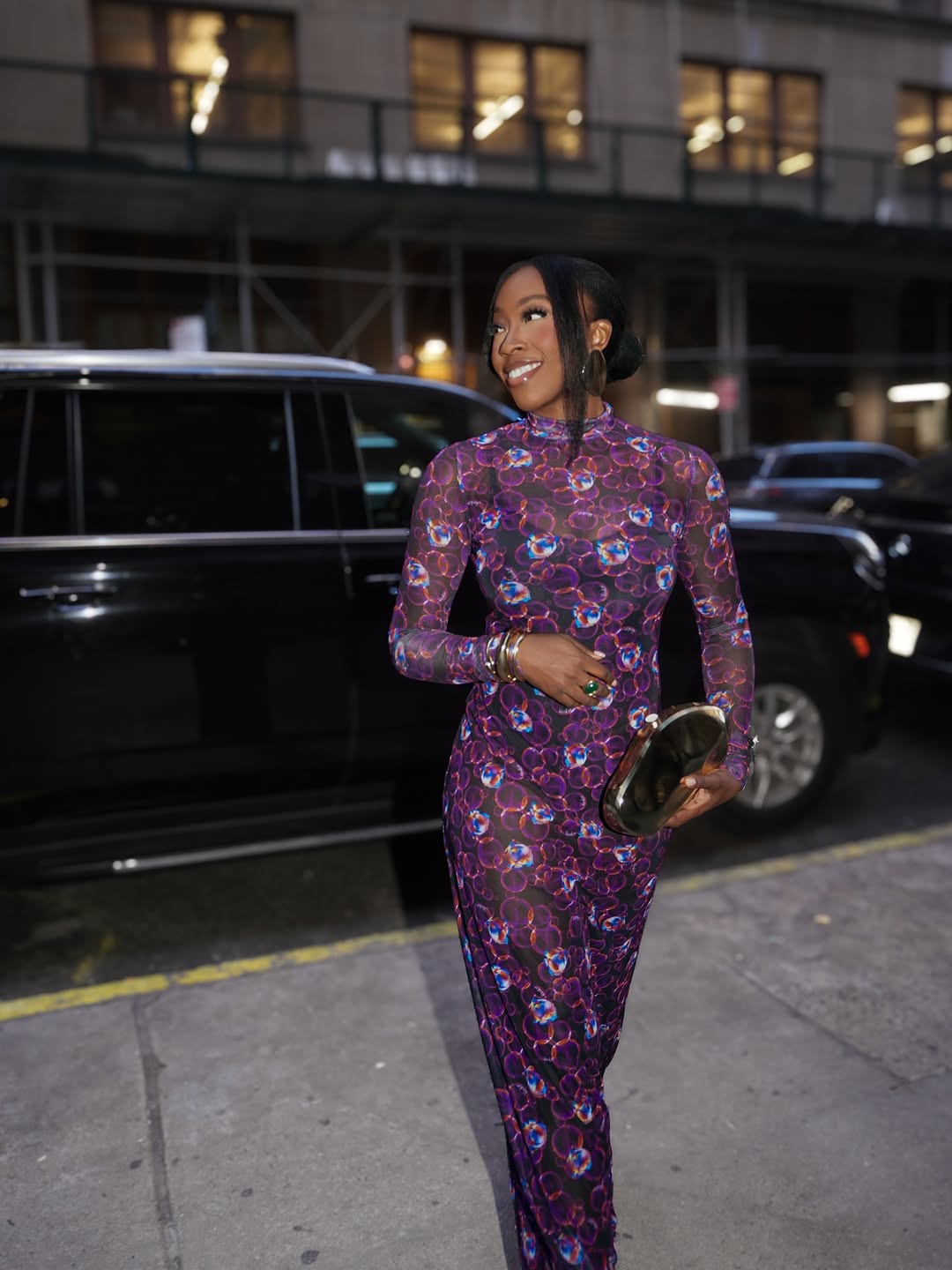
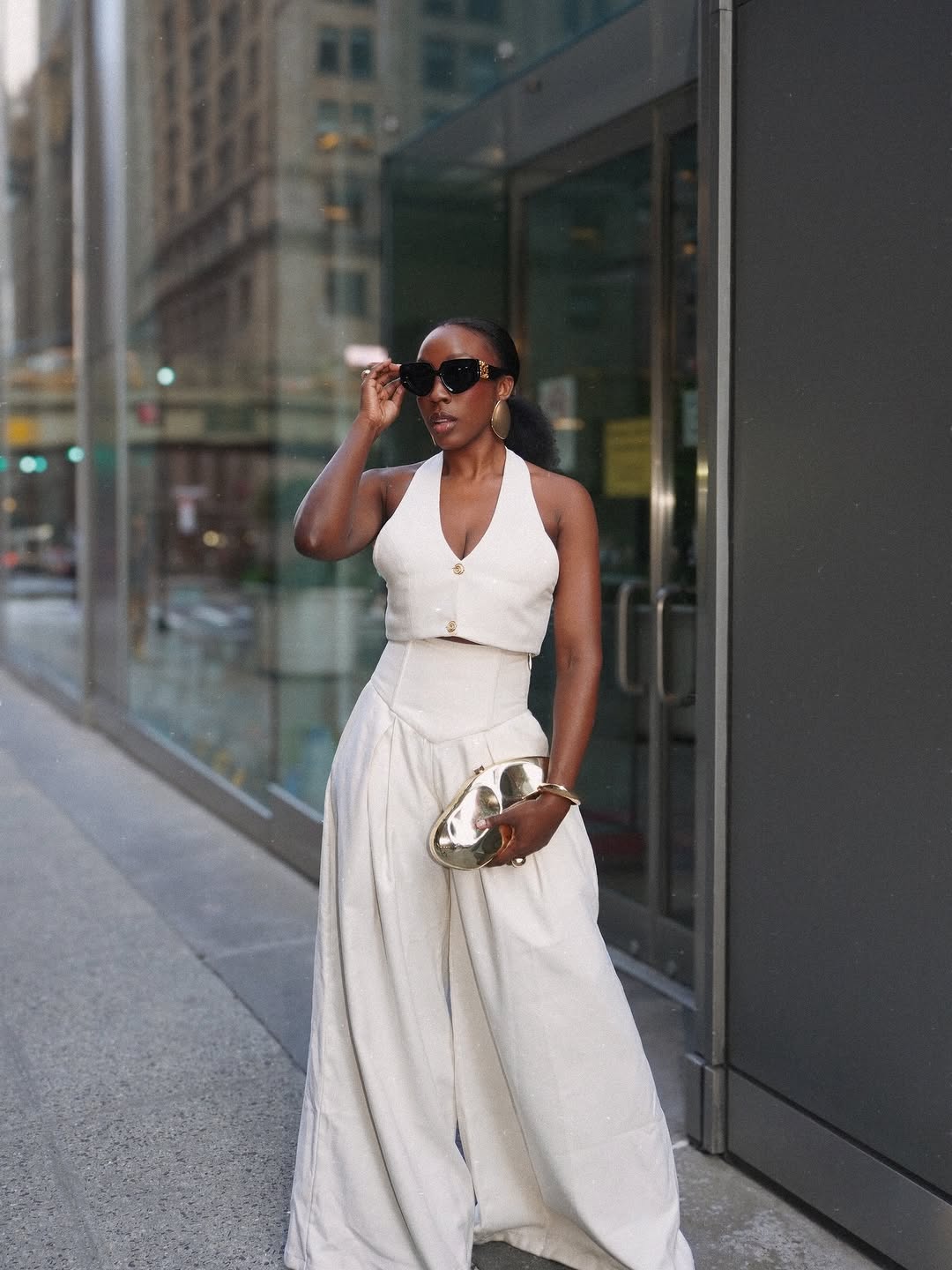
Beverly Naya proved versatility is a superpower — switching between heritage-led Kilentar pieces and playful Banke Kuku daytime energy. Kilentar’s work (think woven textures, storytelling through fabric and artisanal finishing) read like a modern nod to Yoruba weaving and handcraft; seeing it on a red-carpet-ready figure like Beverly felt like heritage getting a runway moment. Banke Kuku’s joyful prints and tactile textile approach (the brand has been building its subculture around materiality and craft) showed a softer, more wearable side of Lagos-meets-London style.
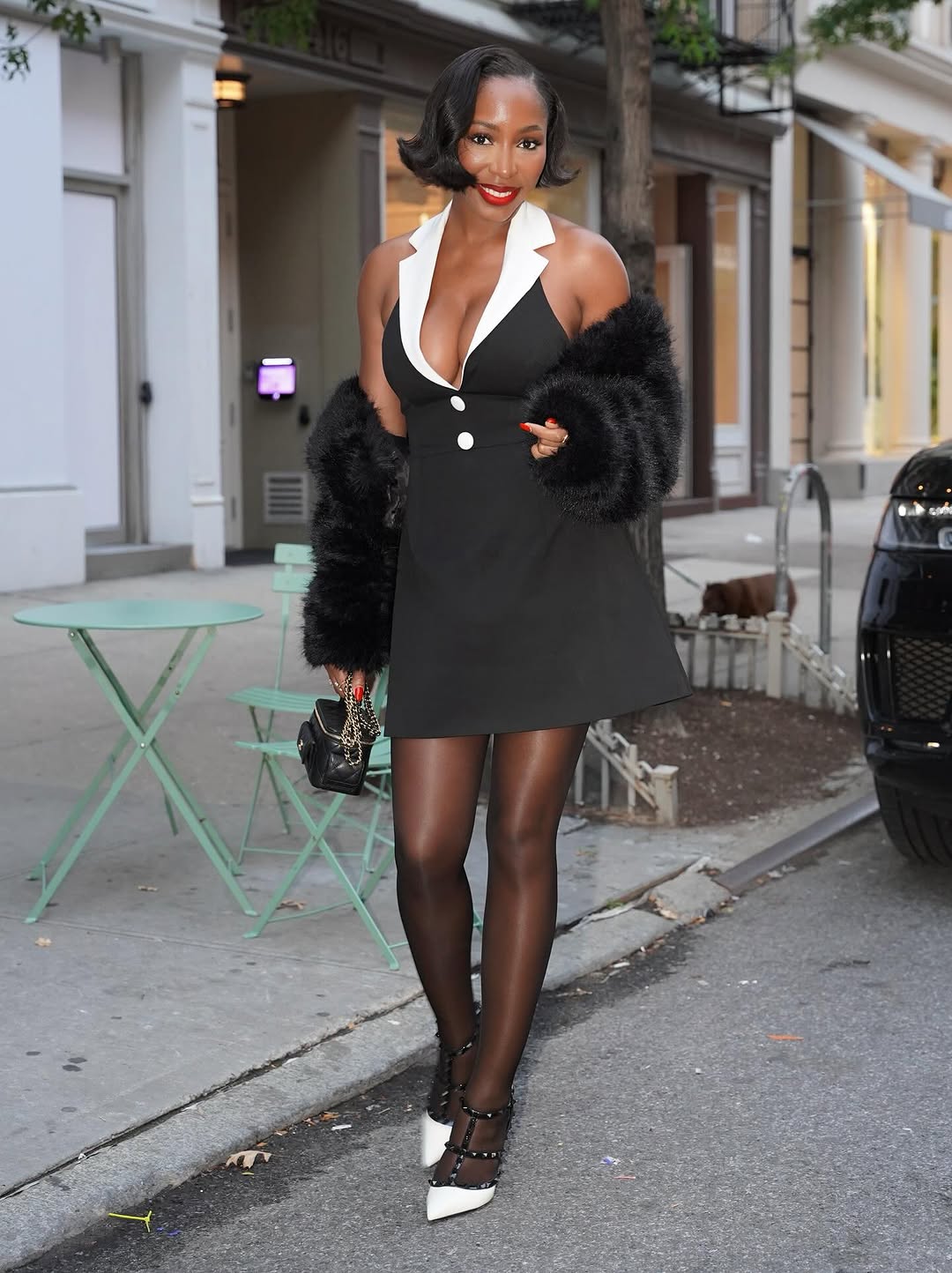
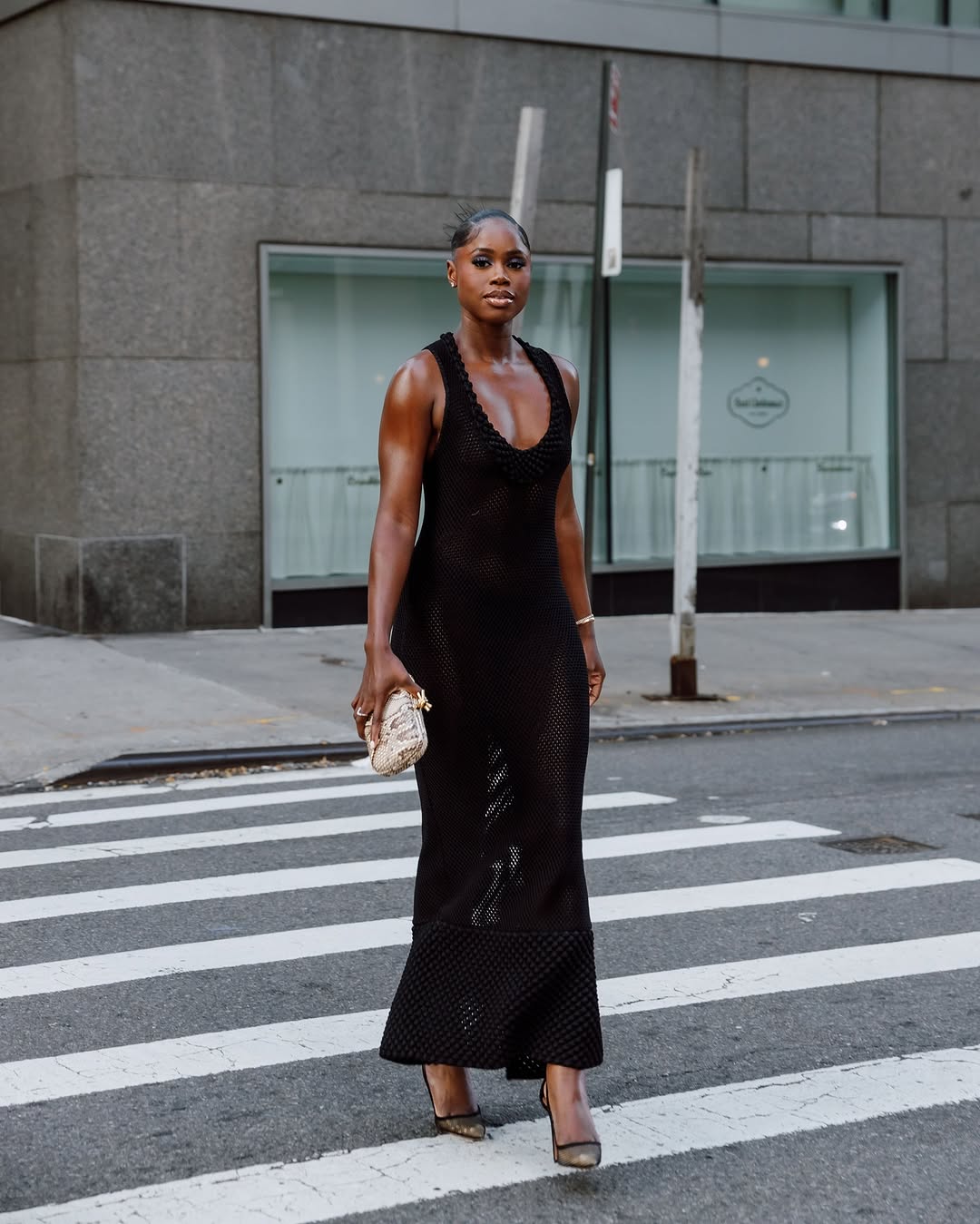
Chinyere (Chi-Chi) Adogu and Eni Popoola brought two different but complementary flavours of street style. Chi-Chi, whose edit always flirts with luxury braiding, sculptural silhouettes and polished accessories, gave an unmistakable “crafted-luxe” energy that felt both native and very now. Eni — the beauty-and-style creator who splits time between Lagos and New York — delivered that content-creator polish: editorial-ready hair and makeup, considered layering, and an ease that reads great on camera and even better in person. Their looks reminded us that the diaspora aesthetic is not a trend — it’s a language.
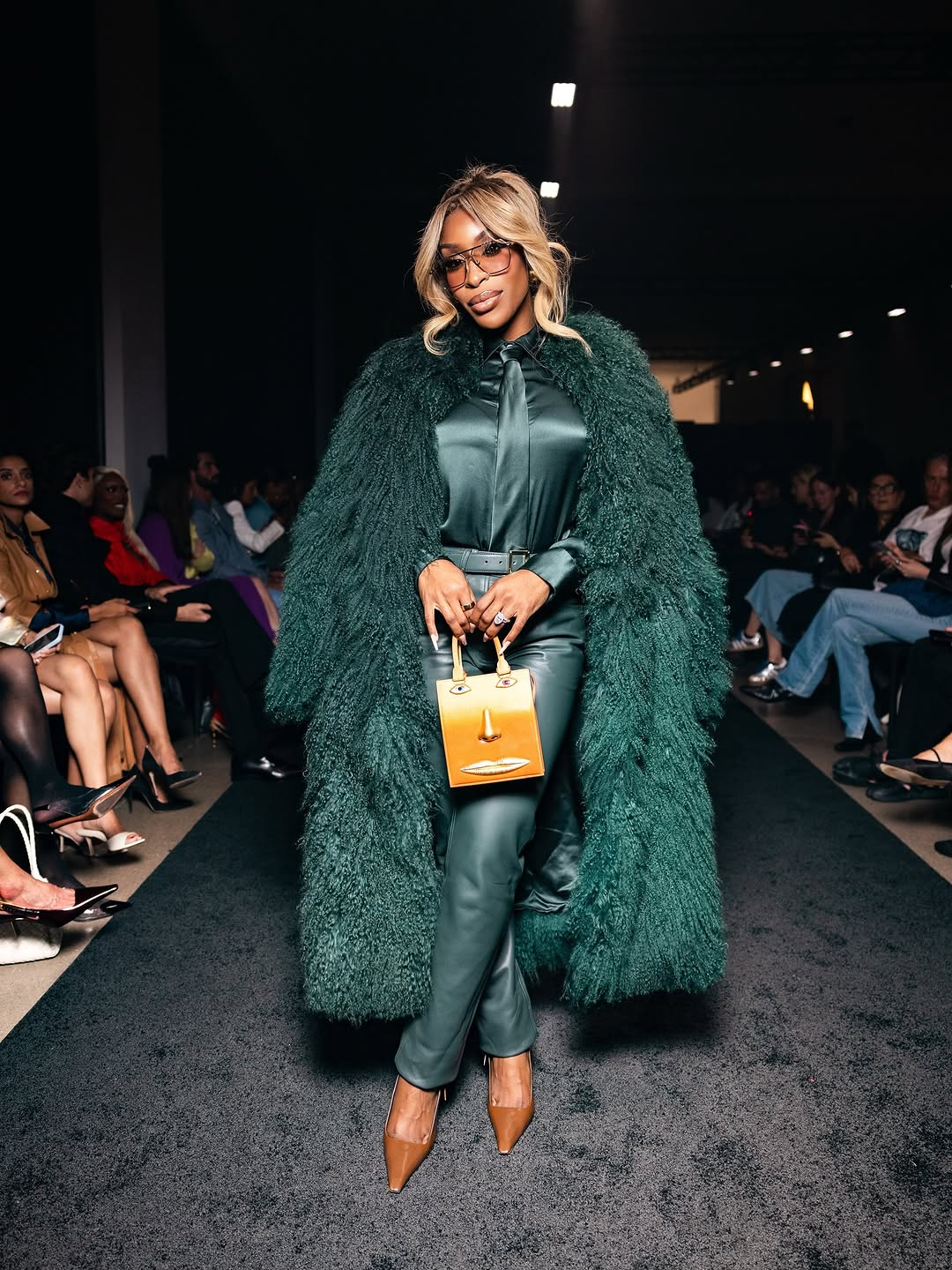
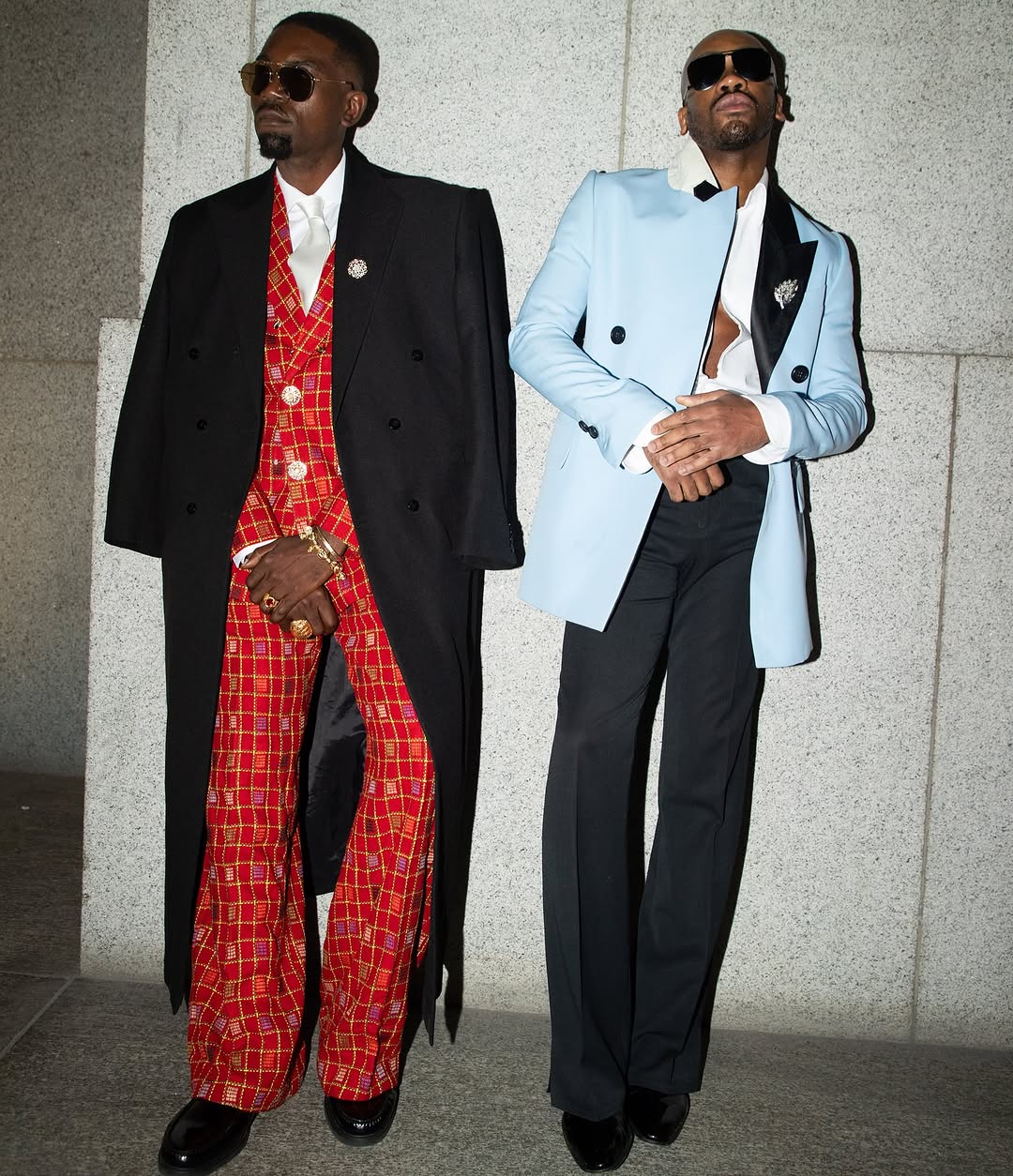
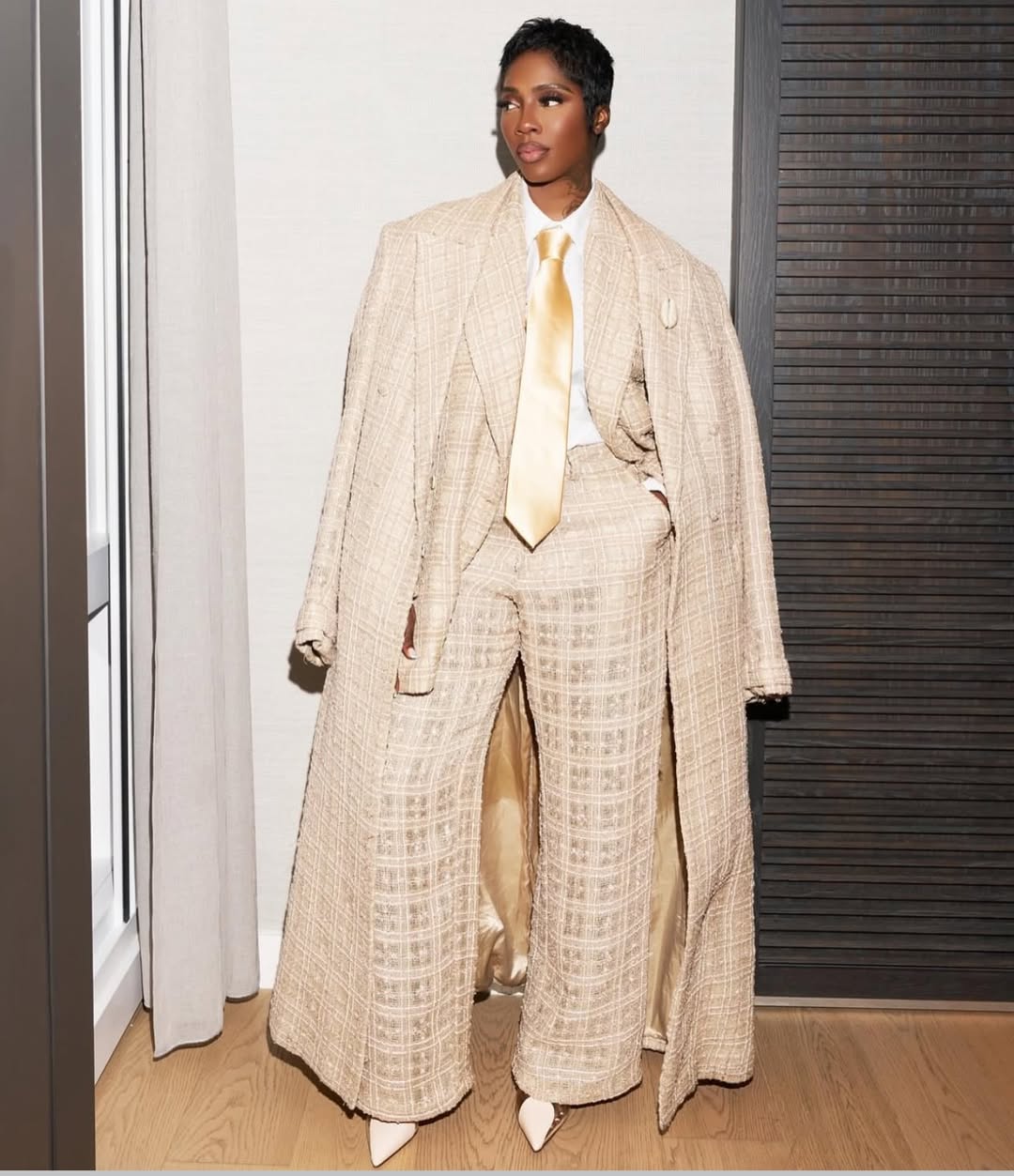
Jackie Aina, forever a beauty authority, showed why global creators double as red-carpet tastemakers — she picked pieces that balanced tradition with modern glamour, giving us moments that are both aspirational and deeply shareable. Ugo Mozie — who’s become a name synonymous with precision styling and the creative force behind Eleven Sixteen — was also in the mix, bringing that brand’s crisp tailoring and editorial polish to the scene. Tiwa Savage, linked with Eleven Sixteen styling energy, was the perfect example of how an Afrobeats superstar can translate stage charisma into street-level sartorial intelligence. Together they proved that Nigerian influence at NYFW is about more than looks; it’s about shaping a global aesthetic.
The throughline across these moments? Craft, intention and story. Whether it was handwoven textures, bold prints, or sculpted silhouettes, the outfits weren’t just pretty — they were purposeful. They spoke of lineage (the makers and artisanal techniques behind the pieces), of diaspora fluency (how Nigerian style moves between Lagos, London and New York), and of a new kind of street style legacy: one where cultural references are worn visibly, proudly, and without apology.
If this season taught us anything, it’s that Nigerians at NYFW aren’t guest stars — they’re directing big scenes. Beverly Naya, Chinyere Chi-Chi Adogu, Banke Kuku, Kilentar, Eni Popoola, Jackie Aina, Ugo Mozie and Tiwa Savage all reminded the city that style can be a conversation, a history lesson, and a mood board rolled into one. Which look stopped you mid-scroll?