


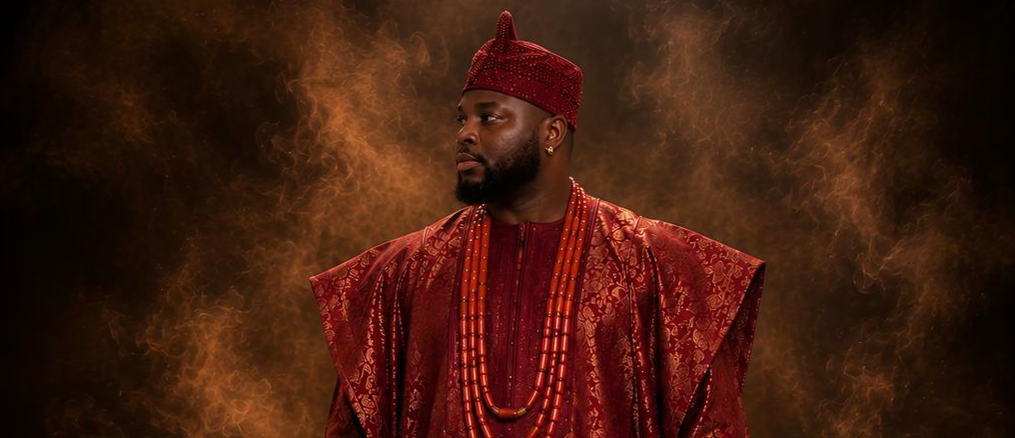
There is a particular kind of designer who does not merely create garments but constructs a language. A designer whose work extends beyond silhouette and surface into the realm of cultural authorship. In contemporary African fashion, Bright Urobo belongs unmistakably to this category.
The founder and creative director of Ranto Clothings, the Lagos-based luxury fashion house established in 2018, Urobo has steadily emerged as one of the defining voices of a new African fashion movement, one less concerned with seeking validation from traditional Western fashion systems and more invested in asserting its own intellectual, artistic, and industrial power.
To understand Urobo’s growing influence is to understand the rare breadth of his practice. He is not simply a designer presenting seasonal collections. He is a creative strategist, cultural commentator, educator, production leader, and visual thinker whose work exists simultaneously across couture, contemporary art, manufacturing, and African cultural discourse. In many ways, this multidimensionality has become central to his authority.
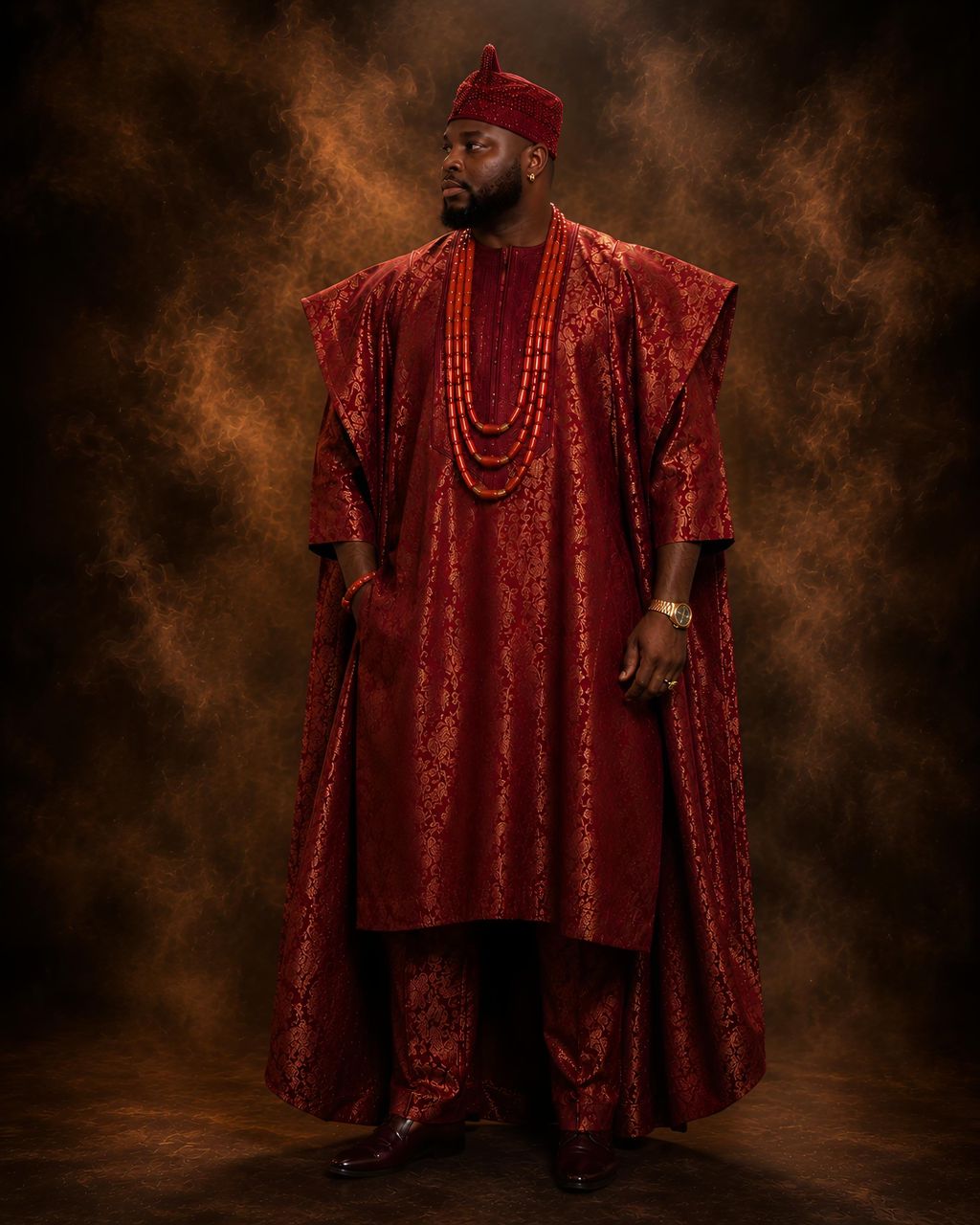
At the core of his work lies an insistence that African fashion deserves to operate within the language of luxury without sacrificing cultural specificity. His collections from Afrofuturism and The Heritage to Global Nomad and Timeless Essence
consistently explore memory, identity, migration, sustainability, and African futurity through sharply considered tailoring and material experimentation. 
What distinguishes Urobo’s approach is the intellectual precision behind the aesthetics. His garments are often constructed as arguments: meditations on what African dress means in a globalised world, and how fashion can function simultaneously as preservation, resistance, and reinvention. The result is work that resists easy classification existing somewhere between fashion object, cultural archive, and artistic proposition. 
This seriousness of vision has propelled Ranto Clothings onto major international platforms. Since 2021, the brand has expanded its visibility through showcases in London, Dallas, Istanbul, Dakar, Accra, and Lagos, positioning Urobo within an increasingly influential generation of African designers reshaping global fashion narratives from the continent outward. 
Yet perhaps the clearest indication of his emergence as a fashion leader lies in the way his influence extends beyond the runway itself.
Unlike many contemporary designers whose practices remain confined to presentation and image-making, Urobo has built a fashion ecosystem. Through initiatives such as the Ranto Masterclass Series and the Elevate Fashion Initiative, he has mentored and supported more than 500 emerging creatives across Africa and the diaspora, investing directly in the future infrastructure of African fashion. 
This commitment to institution-building reflects a broader philosophy increasingly visible throughout his career: fashion, for Urobo, is not only about visibility, but sustainability cultural, economic, and generational.
In an industry where many designers struggle to reconcile creativity with scalable enterprise, Urobo’s ability to operate successfully within both spaces has positioned him as part of a new class of African fashion entrepreneurs redefining what leadership in the industry looks like.
His influence has also entered institutional and cultural spaces traditionally reserved for contemporary art. Collaborative works developed with visual artist Chidozie Maduka and sculptor Abisoye Taiwo have been archived by the Yemisi Shyllon Museum of Art and the National Museum, Ile-Ife, further cementing the seriousness with which his practice is being regarded. 
Recognition at the highest levels has followed naturally. In 2025, Urobo collaborated on the styling direction for Oluremi Tinubu during an official diplomatic engagement in Gambia a commission that symbolised not only prestige, but trust in his creative authority as a representative of contemporary Nigerian fashion on an international stage. 
Editorial attention has continued to intensify around both the designer and the brand have consistently profiled his work, examining everything from African luxury identity and sustainability to industrial fashion manufacturing and cultural storytelling through dress. 
But beyond the accolades, fashion weeks, and institutional recognition, what makes Bright Urobo particularly compelling in this moment is his clarity of vision. At a time when global fashion often rewards immediacy over meaning, virality over substance, and trend over craft, he represents a slower, more deliberate model of influence one rooted in authorship, cultural depth, and long-term legacy building.
In many ways, Urobo embodies the evolution of African fashion itself: intellectually confident, globally visible, structurally ambitious, and entirely unwilling to shrink itself to fit inherited definitions of luxury.
And as Ranto Clothings continues its expansion from Lagos to London and beyond, one thing becomes increasingly evident: Bright Urobo is no longer simply participating in the conversation around the future of African fashion.
He is helping lead it.