

For nearly a century, heritage jewellery houses told us what a diamond ring should be: bigger, whiter, flawless. Engagement rings became shorthand for status, measured in carats, clarity charts and price tags. But as we move toward 2026, that old logic is quietly being dismantled. Today’s brides are choosing taste over scale — and individuality over algorithm-approved sparkle.
The early 2000s and 2010s locked engagement rings into aesthetic autopilot. Round brilliants, micro pavé bands, halo settings and princess cuts flooded the market until everything looked faintly interchangeable. Fast forward to 2025, and we’ve entered a new era of sameness: the TikTok-famous “90210 ring” — a massive oval solitaire replicated so relentlessly it has become its own digital cliché. At the opposite end are celebrity mega-rings that impress in size, but rarely in soul. By 2026, the pushback is unmistakable.
Classic silhouettes still anchor the category. The six-prong Tiffany & Co. setting from 1886 remains the blueprint for the solitaire, while emerald cuts — favoured by icons from Elizabeth Taylor to Amal Clooney — continue to signal timeless glamour. Four-prong settings, however, have emerged as the modern alternative, offering less metal and a cleaner visual focus on the stone. Still, the question remains: how do you choose a ring that feels personal, not pre-programmed?
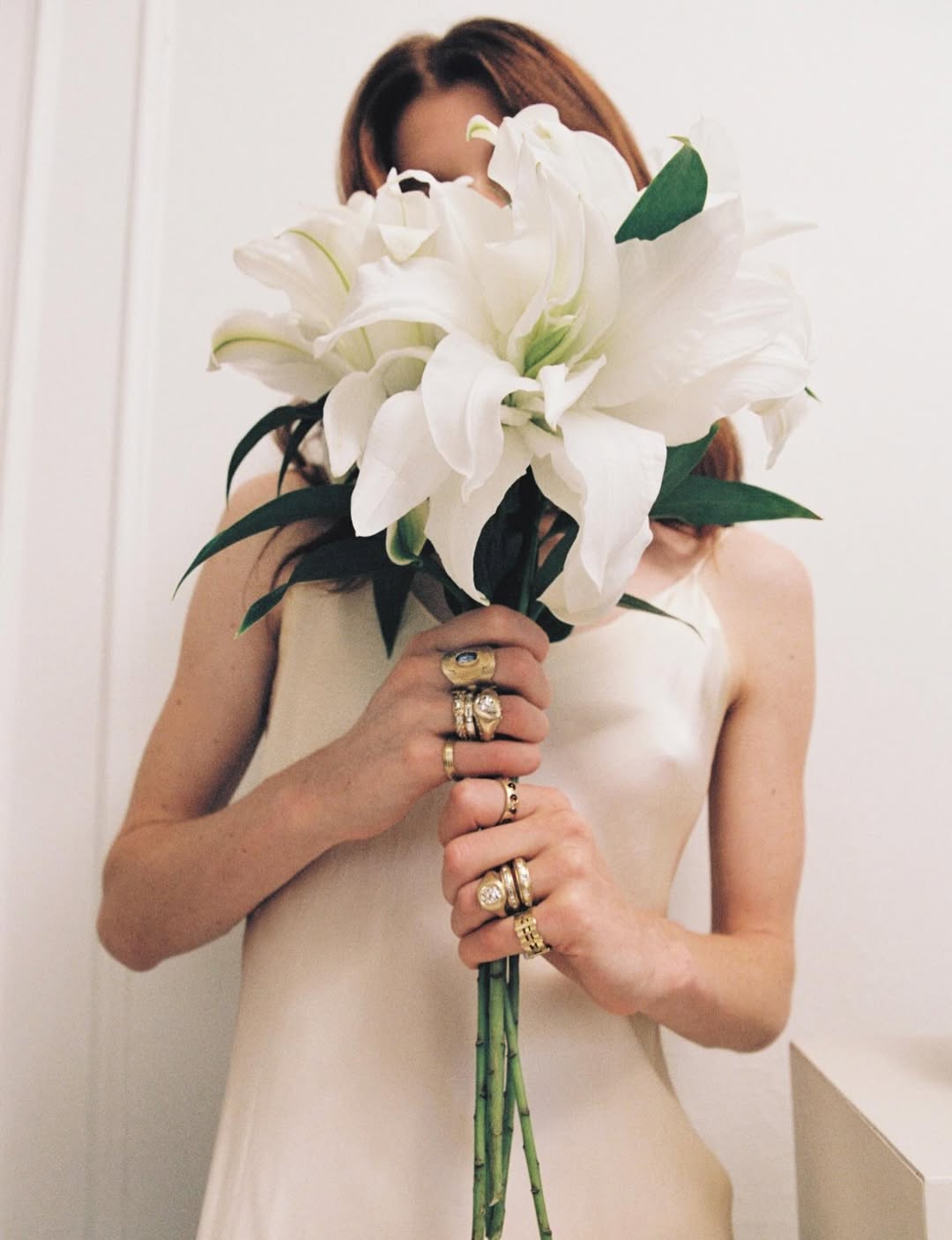
A warmer, more tactile mood is taking shape. Brides are gravitating toward rings that feel designed rather than digitally generated. New York-based jeweller Sarah Dyne notes a shift toward labour-intensive, hand-crafted settings, while Sotheby’s jewellery specialist Frank Everett observes a renewed obsession with stones that have visible character. Antique cuts — Old Mine, Old European, elongated cushions — are back, prized for their softness, asymmetry and candlelit sparkle.
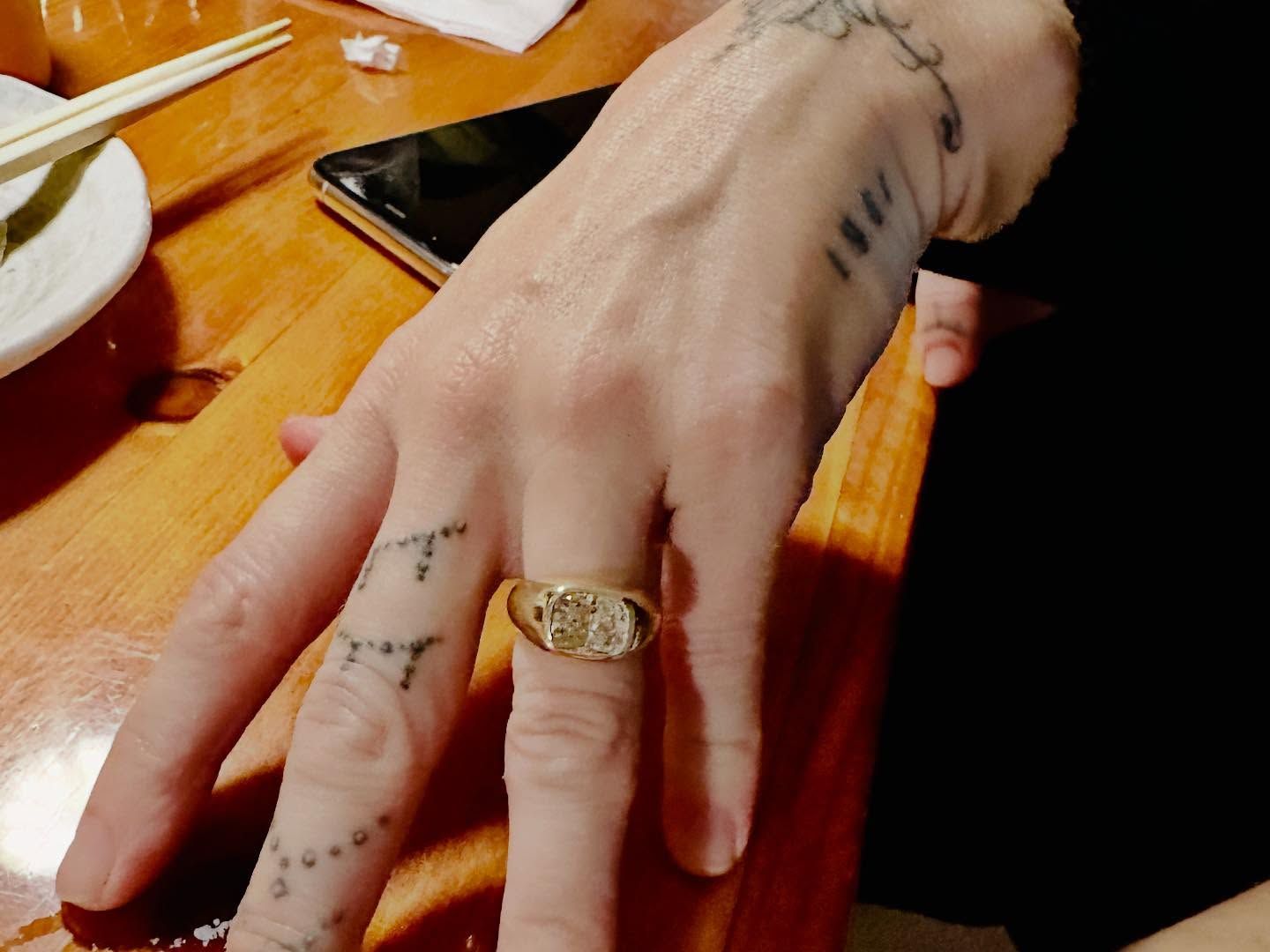
This embrace of imperfection mirrors wider cultural shifts. Just as fashion has fallen back in love with patchwork jackets, artisanal ceramics and vintage textiles, bridal jewellery is following suit. What once felt “wrong” — warm-toned stones, softened silhouettes, irregular inclusions — now feels aspirational. Champagne diamonds, honey hues and smoky browns are increasingly favoured over icy whites, valued for their depth and individuality rather than sterile perfection.
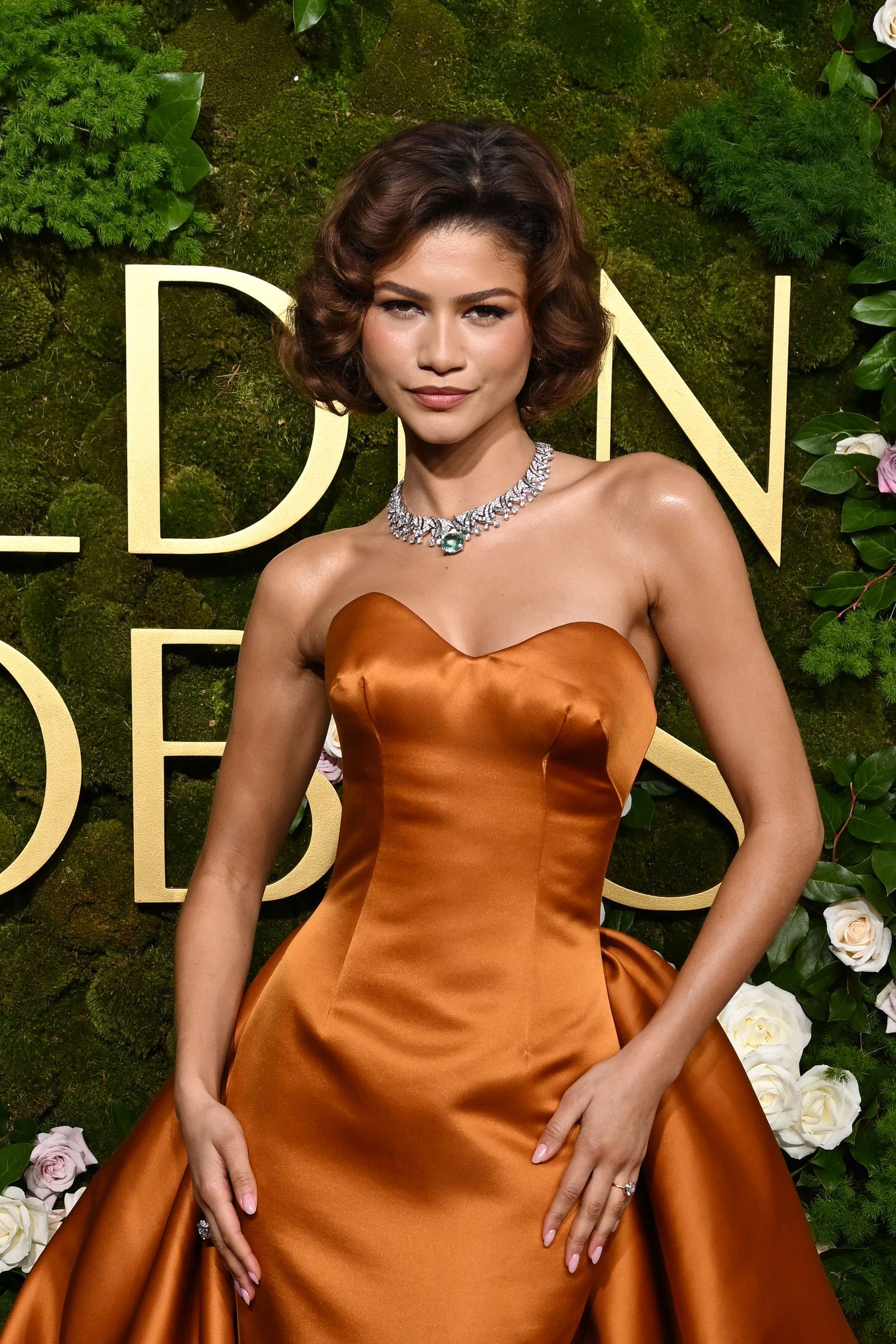
Designers like Jessica McCormack have helped propel antique diamonds into the modern spotlight. Her silver-topped gold settings and old-cut stones — worn by Zendaya and Dakota Johnson — prove that heritage doesn’t have to feel nostalgic. It can feel strikingly current. Similarly, designers such as Maggi Simpkins and Jean Prounis report growing demand for antique stones precisely because they can’t be replicated or lab-generated. Their rarity is emotional as much as material.
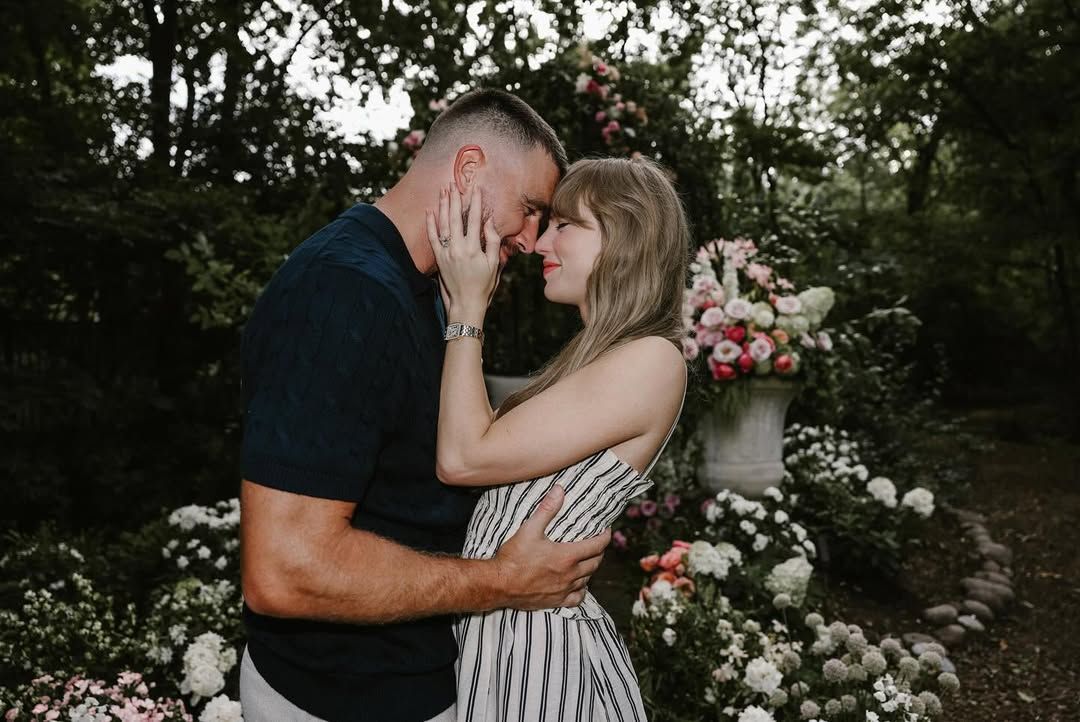
Band design is also undergoing a quiet revolution. Where the 2010s championed delicate pavé and barely-there shanks, 2026 is all about weight and intention. Thick gold bands, sculpted profiles and bezel settings are replacing fragile stacks. The effect is bold, tactile and slightly retro, with a ’70s undertone that feels confident rather than costume-like.
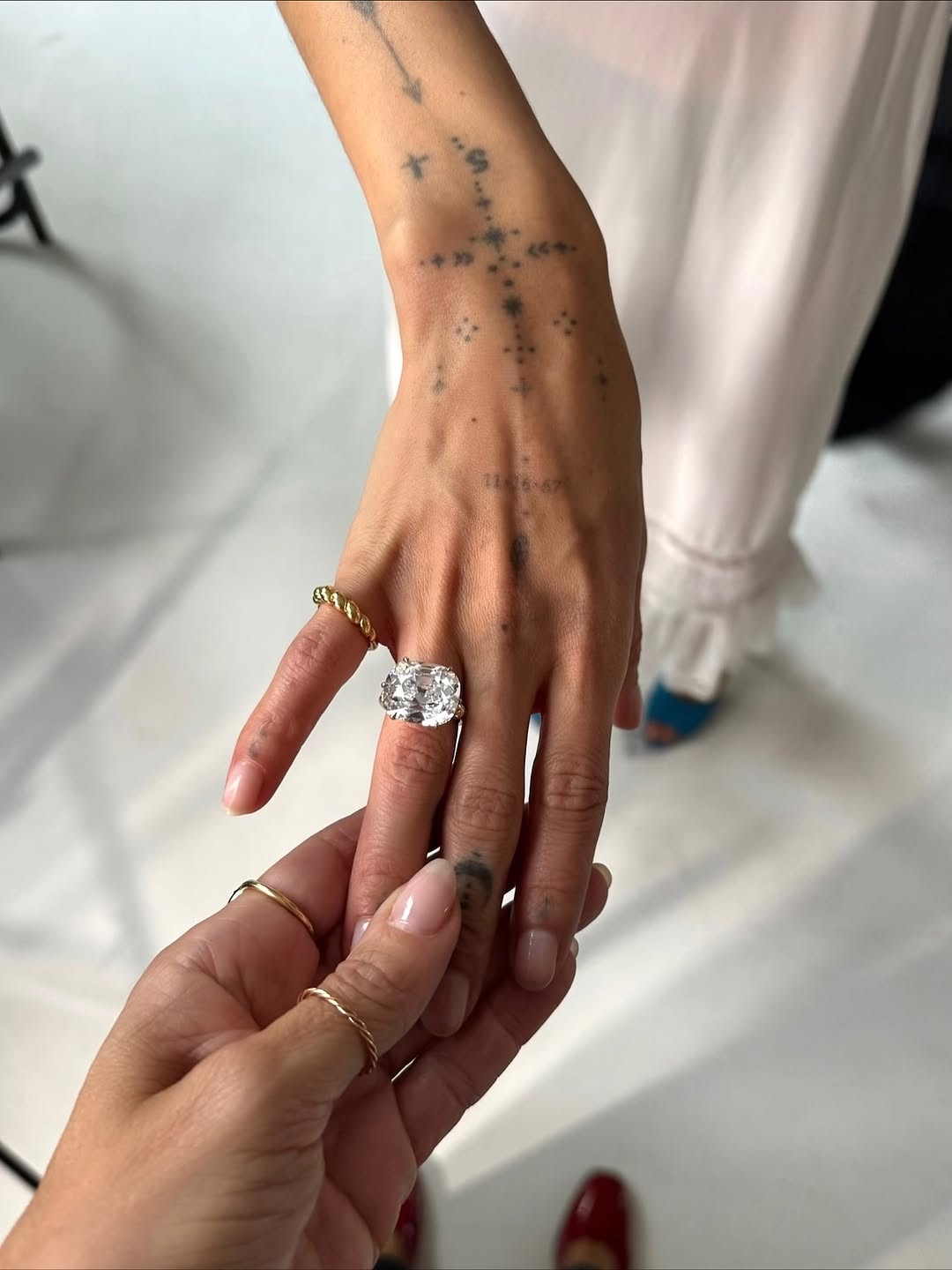
Shape trends are evolving too. Ovals still dominate thanks to TikTok and Hailey Bieber, offering maximum finger coverage and visual drama. But elongated cushions, antique pears and east-west marquise and emerald cuts are gaining momentum, favoured for their softness and subversive elegance. Even the band itself is becoming a statement, with designers exploring melted textures, softened signets and organic curves inspired by early modernist jewellery.
Ultimately, the engagement rings defining 2026 are less about perfection and more about personality. They reject sameness, resist algorithms and celebrate craft. In a world obsessed with flawless replication, the new luxury is a ring that feels unmistakably human.