

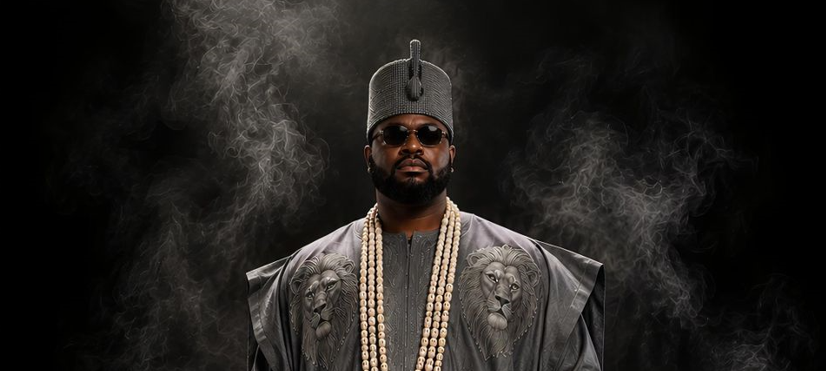
Over the last few years, Bright Urobo has steadily emerged as one of the most influential voices shaping the future of African luxury fashion. Through his Lagos-based fashion house, Ranto Clothings, Urobo has built a multidimensional brand operating across runway presentation, artistic collaboration, institutional manufacturing, mentorship, and global cultural representation. 
From showcasing collections in London, Istanbul, Dallas, Dakar, and Accra to collaborating with artists whose works are now archived in museums, his practice continues to push beyond the traditional boundaries of fashion. At the same time, his educational initiatives and leadership programmes have supported hundreds of emerging creatives across Africa and the diaspora, positioning him as not just a designer, but an institution builder.  
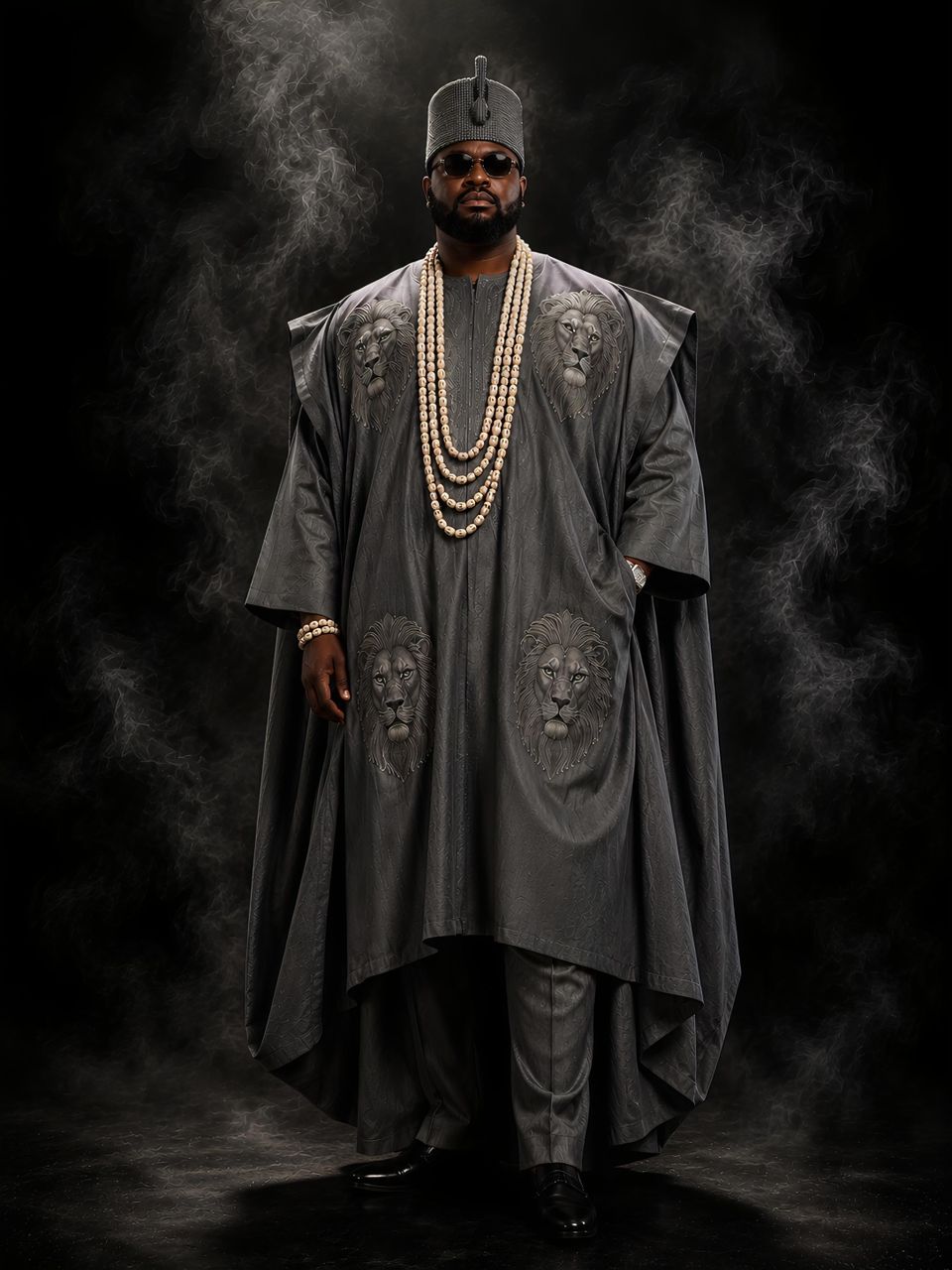
In this exclusive conversation with La Mode Magazine, Bright Urobo reflects on the evolution of Ranto Clothings, international recognition, African fashion leadership, and the responsibility of building systems that outlive visibility.
La Mode Magazine:
Ranto Clothings has become one of the most visible African luxury brands internationally. When you look back at the journey since 2018, what feels most significant to you?
Bright Urobo:
What feels most significant is not even the visibility itself, it is the structure we have been able to build around the visibility. A lot of brands can have a successful moment, but sustaining relevance requires systems, discipline, and clarity of vision.
When I started Ranto Clothings in Lagos in 2018, I was not only thinking about clothing. I was thinking about cultural contribution. I wanted to create a fashion house that could operate artistically, commercially, and institutionally at the same time. Today, we are showing internationally, manufacturing at scale, mentoring young creatives, collaborating with museums and artists, and building conversations around African luxury identity. That is the part I value most. 
La Mode Magazine:
Your collections often feel deeply conceptual. There is always a narrative beneath the garments. Why is storytelling so important to your work?
Bright Urobo:
Because African fashion has always been storytelling. Long before global fashion systems existed, our textiles, colours, beadwork, weaving traditions, and silhouettes already carried meaning.
For me, collections like Afrofuturism, The Heritage, Global Nomad, and Timeless Essence are not simply aesthetic exercises. They are conversations. They ask questions about identity, migration, memory, sustainability, and what African luxury means in this century. 
I think fashion becomes more powerful when garments communicate something beyond trend. The goal is to create work that people can wear but also intellectually engage with.
La Mode Magazine:
You have showcased in cities including London, Istanbul, Dallas, Dakar, and Accra. How has international exposure changed your perspective on African fashion?
Bright Urobo:
International exposure has reinforced my belief that African fashion no longer needs to shrink itself culturally in order to be globally respected.
There was a time when many African brands felt pressure to simplify their identity to fit into Western fashion expectations. But the world is changing. Audiences are now drawn to authenticity, depth, and originality. What makes African fashion powerful is precisely the richness of our stories and visual language.
When we showcased at platforms like Cheshire Fashion Week, Istanbul Modest Fashion Week, Dallas Fashion Week, and Dakar Fashion Week, I realised that our uniqueness is our advantage. 
La Mode Magazine:
One of the most interesting aspects of your career is how much of your work extends beyond the runway. Why was that expansion important?
Bright Urobo:
Because fashion should not exist in isolation.
I never wanted Ranto Clothings to function only as a seasonal runway brand. I wanted it to exist within broader African visual culture. That is why collaborations became important to me.
Working with artists like Chidozie Maduka and Abisoye Taiwo allowed us to explore fashion through photography, sculpture, and material experimentation. Seeing some of those works archived at the Yemisi Shyllon Museum and the National Museum in Ile-Ife was a major moment because it confirmed that fashion can also function as cultural preservation and artistic documentation. 
La Mode Magazine:
Beyond fashion, you have become known for your mentorship initiatives and leadership programmes. Why is education such a major part of your mission?
Bright Urobo:
Because talent alone is not enough. Many young creatives have vision, but they lack access to structure, technical knowledge, and business education.
When we launched the Ranto Masterclass Series and the Elevate Fashion Initiative, the goal was to create opportunities that many people did not have access to earlier. 
Leadership is not only about personal success. It is about how many people your work helps elevate. If African fashion is going to become globally dominant, then we need more designers building ecosystems, not just individual brands.
La Mode Magazine:
In recent years, Ranto Clothings has also expanded into large-scale institutional manufacturing. Was that a strategic decision?
Bright Urobo:
Absolutely. One of the biggest conversations we need to have in Africa is production capacity.
We cannot continue talking about African fashion globally while depending heavily on external manufacturing systems. Through our Lagos production infrastructure, we have worked on large-scale commissions for banks, universities, and security organisations because I believe fashion must also contribute economically and industrially. 
The future of African fashion will belong to brands that understand both creativity and production.
La Mode Magazine:
In 2025, you collaborated on the styling direction for First Lady Oluremi Tinubu during an official diplomatic engagement. What did that moment represent for you?
Bright Urobo:
It represented trust.
When your work is chosen at that level, it means people believe in your creative judgment and your understanding of representation. Fashion is powerful because clothing communicates before words do. To contribute creatively to an official diplomatic moment was both humbling and symbolic for me as a Nigerian designer. 
La Mode Magazine:
Finally, what do you believe the next chapter of African fashion looks like?
Bright Urobo:
Confidence.
I believe African fashion is entering a phase where we stop designing for permission and start designing from authority. We have the culture, the craftsmanship, the narratives, the talent, and increasingly the infrastructure.
The next phase is not about imitation. It is about ownership. Ownership of our aesthetics, our production systems, our stories, and our global positioning.
And I think the designers who will shape the future are the ones willing to think beyond clothing and build lasting institutions around creativity.
That is the future I want Ranto Clothings to contribute to.



Comments are closed.