
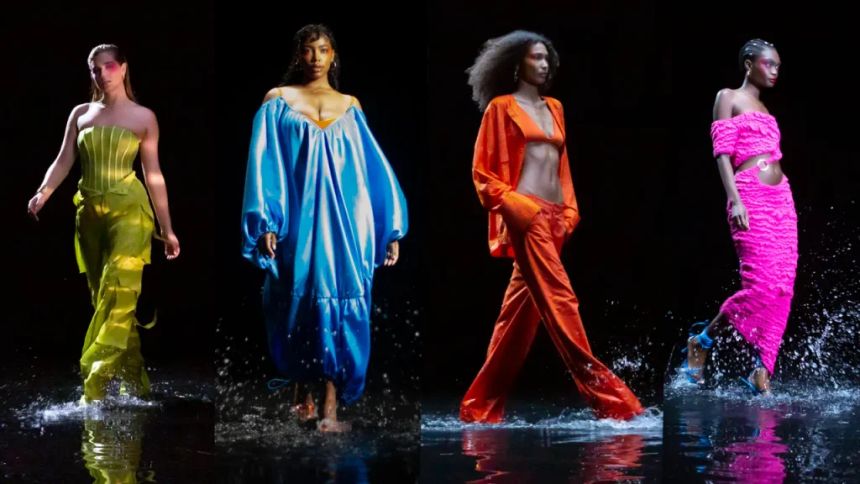
You see a new outfit everywhere. It’s on TikTok, on Instagram, in your friend’s Stories. Within a week, fast-fashion stores have a version for ₦20,000. But who actually made that look? And who gets the credit?
The honest answer is: it depends on who has the biggest platform.
In fashion, credit doesn’t always go to the person who created something. It goes to the person who is most visible. A celebrity in a designer dress gets the headlines. The stylist who picked that dress, the photographer who shot the image, and the small designer who made it in a studio with three employees? They’re lucky to get a mention.
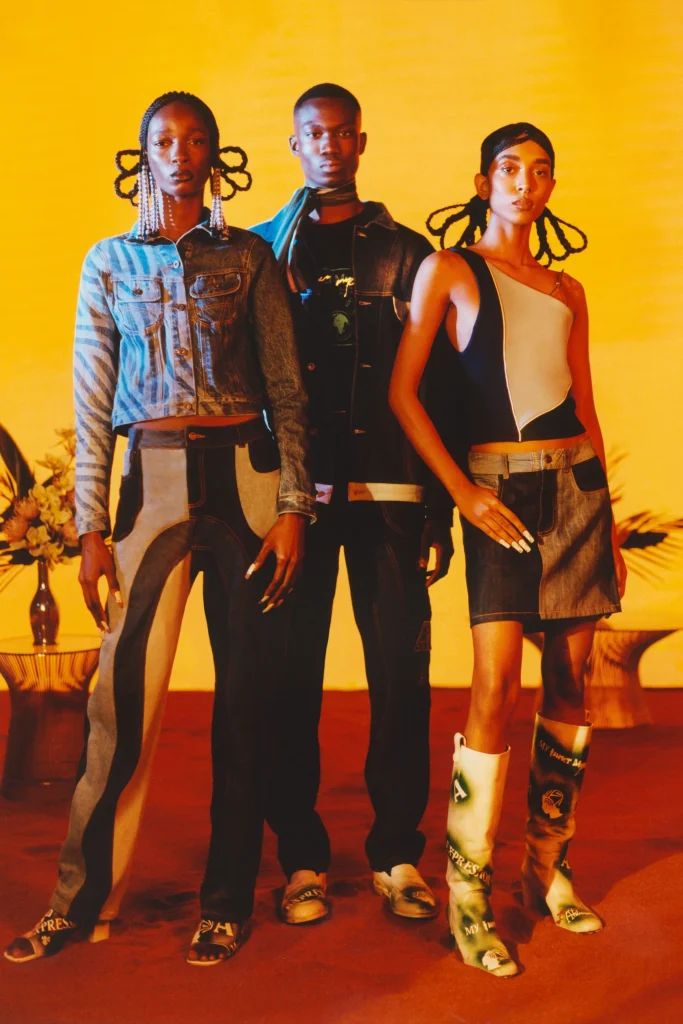
This isn’t a new problem. But social media made it worse. Before, a trend moved from runway to magazine to store. Now it moves from a phone screen to a phone screen in hours. The people who create ideas at the street level, in communities, in subcultures, are the first to be seen and the last to be named.
Here’s the thing about the law that surprises most people: in the US, there is no specific law that protects the design of a garment. The shape of a dress, the cut of a jacket, the silhouette of a bag. None of that is protected by copyright. You can copy a design and sell it, and in most cases, that’s legal. What is protected are things like a specific print, a graphic, or a logo. So if someone copies the overall look of a dress but changes the fabric or the print, they’ve likely broken no law.
In the EU, things are a bit different. Original fashion designs do get copyright protection, and the creator has a legal right to be named. That right can’t be taken away, even if they work for a big brand. But in practice, that right is rarely enforced. Most designers don’t have the money or the time to fight for credit in court.
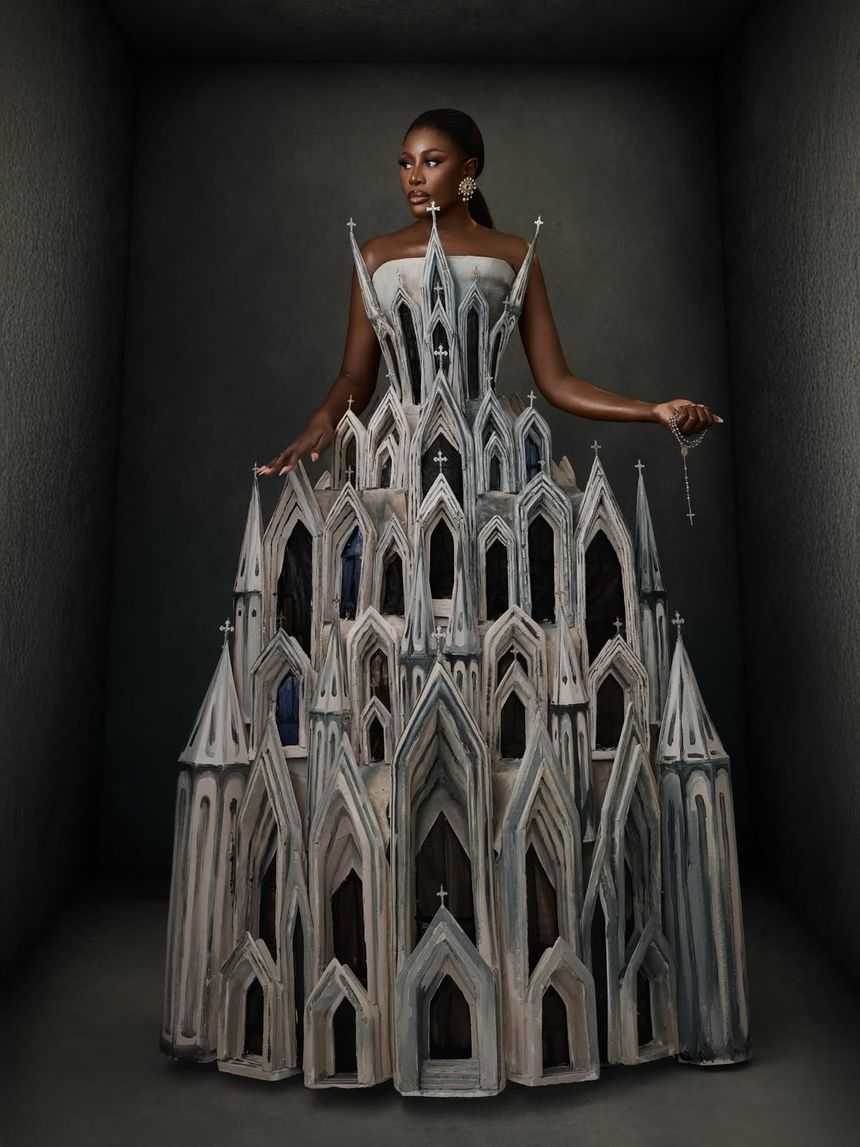
So what actually works? Contracts. If you want to make sure you get credit, you write it into your agreement. “My name goes in the show notes.” “My name goes on the product page.” “My name goes in the campaign post.” That’s how you protect yourself. The law won’t do it for you.
But even contracts only cover the people at the table. And the people who start trends are often not at that table. A style that begins in a neighborhood, in a dance crew, in a group chat, in a small city, doesn’t come with a contract. It just exists. And then someone with a bigger audience wears it, and the story changes. The look is now “inspired by” something. The original community is a footnote, if it’s mentioned at all.
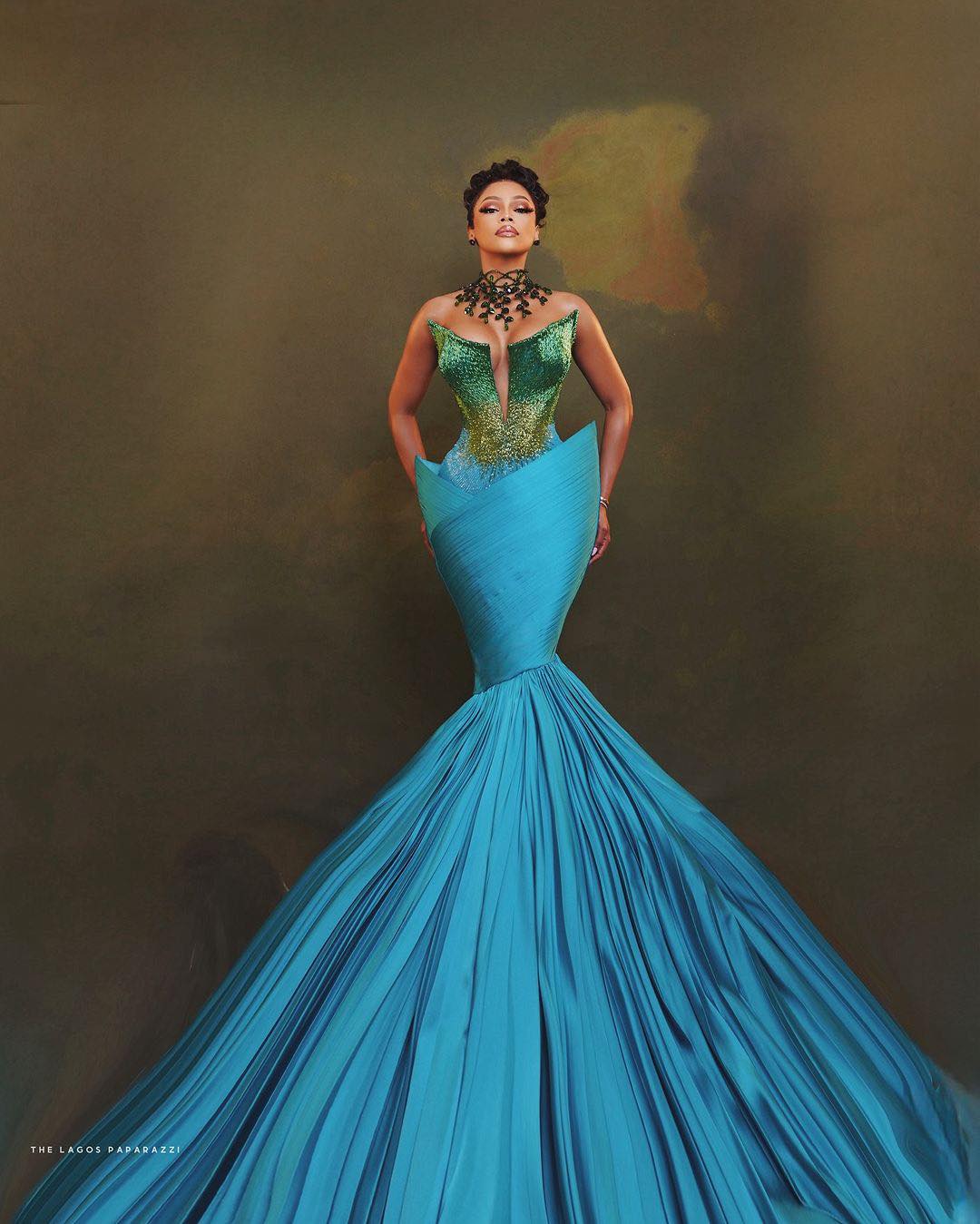
Follow the money. When a look goes viral, the brand sells the product. The platform gets the ad revenue. The influencer gets the sponsorship. The fast-fashion retailer gets the margin. The person who first made that style visible in their community? They might get a small sales bump. Or they might get nothing at all.
This doesn’t mean every viral look is stolen. Cultural exchange is real, and it can be creative and exciting. People share ideas, remix them, build on them. That’s how fashion has always worked. The problem isn’t that ideas move. The problem is that when they move from a small community to a global brand, the direction of credit is always the same: from the small to the big, from the local to the global, from the unknown to the famous.
So the next time a look goes viral and you’re scrolling through your feed, ask a few questions. Where did this actually start? Who made it first? Who is getting paid for it? And who is getting named?
The answers won’t always be comfortable. But they’ll be more honest than the ones you see in the caption.


Comments are closed.