

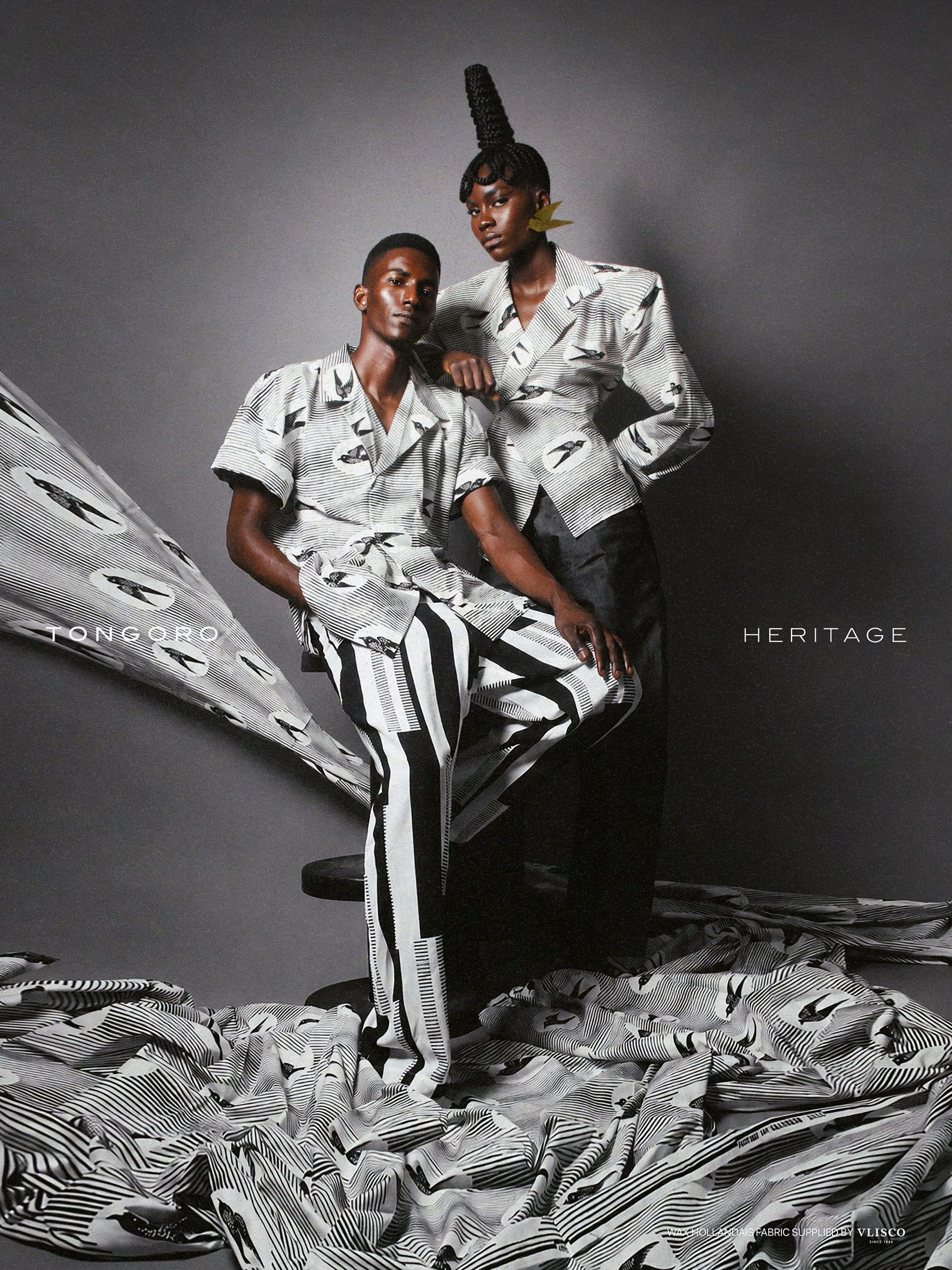
A beautiful outfit can attract attention. A recognisable label can create desire. But what truly convinces a customer to pay more for one fashion brand when another offers something similar at a lower price?
The answer goes beyond the name stitched into a garment.
In fashion, a premium price is a promise. Customers expect the product, experience and identity associated with a brand to justify what they spend. When that promise is consistently delivered, a brand can build trust, command stronger prices and earn customer loyalty. When it is not, even the most attractive branding may struggle to justify the cost.
For fashion businesses, understanding this distinction is essential. For consumers, it offers a useful way to decide whether a product is genuinely worth its price.
Quality that customers can see and feel
The first justification for a higher price should be the product itself.
Fabric quality, stitching, fit, finishing, comfort and durability all influence how customers evaluate clothing. In occasion wear, for example, the quality of the tailoring, the structure of a corset, the neatness of embellishments and how a garment sits on the body can distinguish a carefully made outfit from one that merely looks impressive in photographs.
The same principle applies to ready-to-wear clothing. A well-constructed blazer that retains its shape and can be styled across several occasions may offer more long-term value than a cheaper alternative that quickly loses its fit.
The business lesson: A brand should be able to explain what makes its product better, not simply claim that it is premium.
A distinctive identity that customers recognise
Fashion is not only about what people wear; it is also about how they express themselves.
Some brands become recognisable through their silhouettes, others through their use of colour, signature prints, craftsmanship or interpretation of cultural influences. Over time, these choices create a distinctive identity that customers can recognise without relying entirely on a logo.
For Nigerian designers, this can mean developing a recognisable approach to contemporary Aso Oke, creating distinctive occasion-wear silhouettes or consistently combining traditional techniques with modern design.
However, cultural inspiration alone does not automatically justify a higher price. The value comes from the originality, execution and consistency of the design, alongside the way the brand communicates its identity.
The business lesson: Instead of trying to appeal to everyone, fashion brands should identify what makes their designs recognisable and give customers a clear reason to choose them.
A brand story that means something
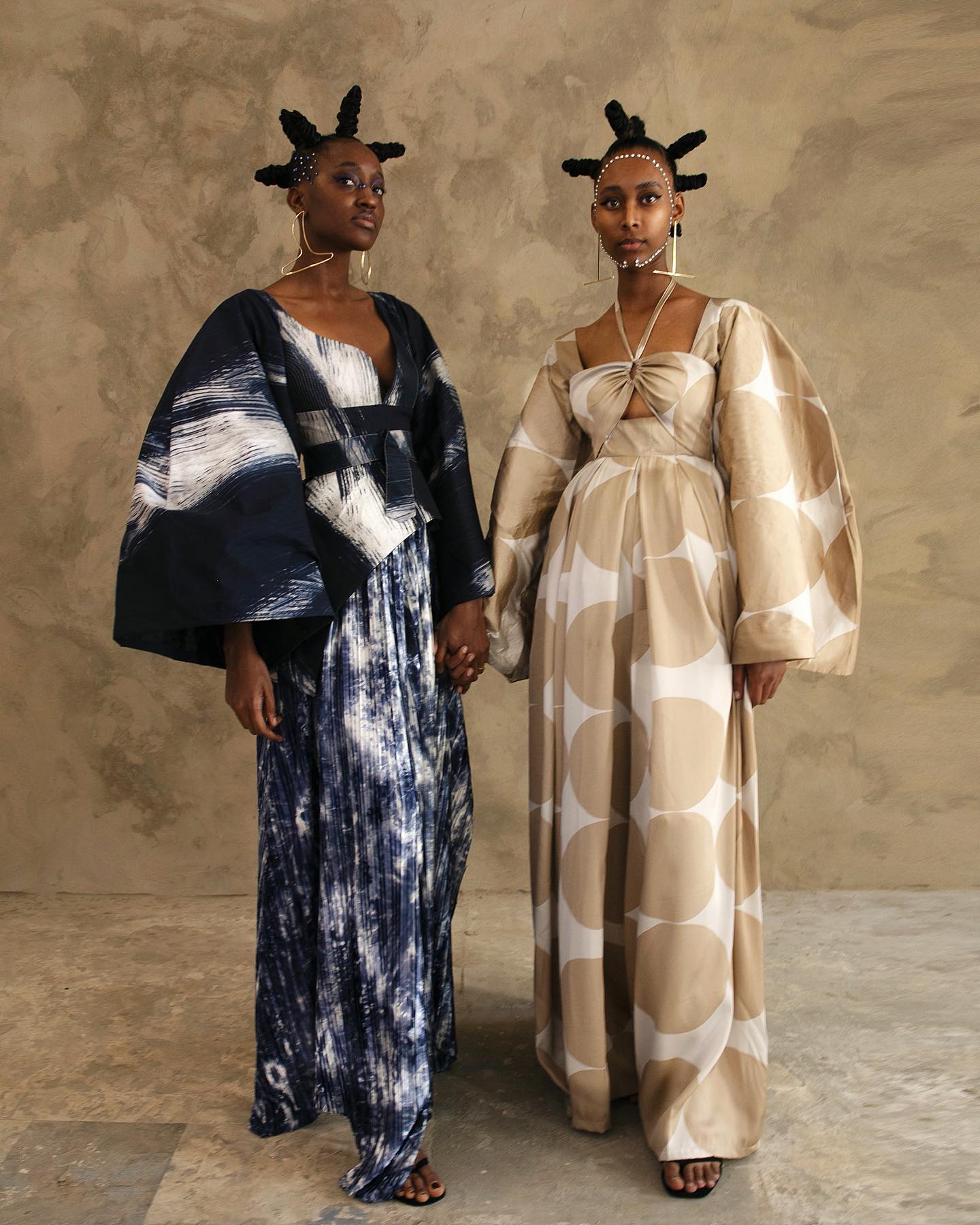
Customers may be drawn to the story behind a fashion label: its founder, creative inspiration, production methods, cultural heritage or purpose.
But storytelling works best when it is supported by evidence.
A designer who highlights hand-finished details should be able to demonstrate that craftsmanship. A brand that celebrates local production should communicate its processes accurately. A label built around timeless clothing should offer designs that can realistically be worn beyond a single trend cycle.
A strong story helps customers understand the product’s meaning. An unsupported story can undermine trust.
The business lesson: Tell customers why the brand exists, what it stands for and how those values show up in the actual product.
The experience beyond the garment
A customer’s experience begins before a purchase and continues after it.
Consider two designers selling similarly priced occasion wear. One responds promptly to enquiries, communicates delivery timelines clearly, provides accurate sizing information and handles alterations professionally. The other is difficult to reach, gives unclear delivery dates and offers little support when problems arise.
Even if both garments are beautiful, the first designer gives customers stronger reasons to trust the business.
For online fashion brands, this experience includes product photography, size guides, payment processes, packaging, delivery, returns and customer service. For designers working on custom outfits, it also includes consultation, fitting and communication throughout production.
The business lesson: Premium positioning must be reflected in the entire customer journey, not just the packaging or price tag.
Exclusivity, trust and emotional connection
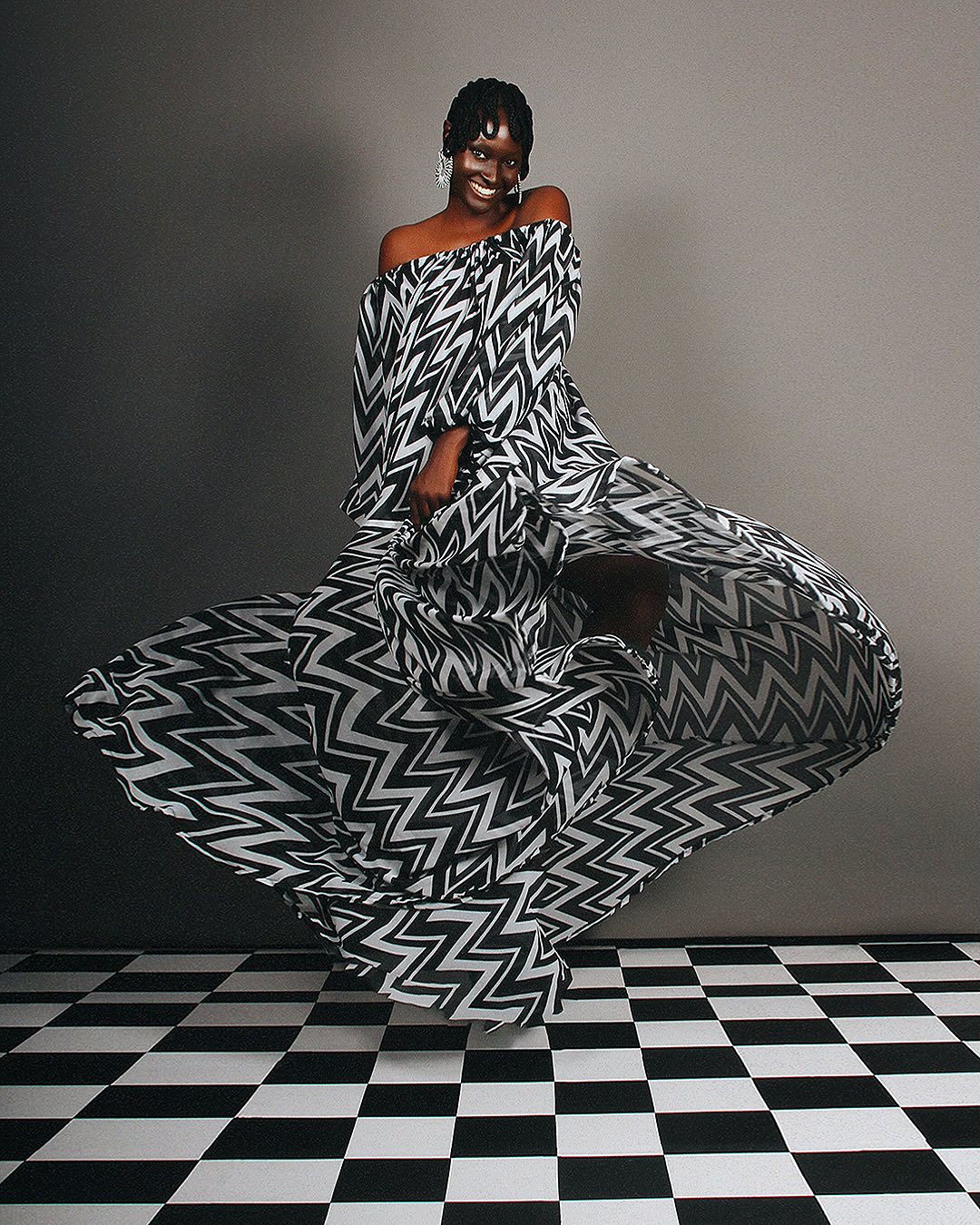
Some customers are willing to pay more for a design that feels distinctive, a limited collection or a brand that reflects their personal identity. Others value reliability, social recognition or the confidence that comes from knowing what to expect.
These motivations help explain why two garments with similar material costs can command different prices.
Yet exclusivity must be credible. Calling every item “limited edition” does not create lasting desirability if customers repeatedly encounter the same claims without meaningful differences.
Trust is equally important. Consistent sizing, honest product descriptions, reliable delivery and genuine customer feedback can strengthen a brand’s reputation over time.
The business lesson: Attention may introduce customers to a brand, but a consistent experience gives them reasons to return and recommend it.
A higher price is not proof of higher value
This is where fashion brands can get it wrong.
A premium price may help communicate positioning, but it cannot independently establish quality. If the materials, construction, design or customer experience do not meet expectations, the price can become a barrier rather than a selling point.
Customers also have different definitions of value. One may prioritise durability; another may pay more for a distinctive design, a perfect fit or a memorable occasion. A brand does not need to be the most expensive to be valuable. It needs to deliver on the priorities of the customers it serves.
For designers, this means understanding the target market, calculating production costs properly and setting prices that reflect both the product’s value and the business’s financial requirements.
For consumers, it means asking a more useful question than “Is this expensive?”: “What am I receiving in return for the price?”
What fashion brands can learn
Building a brand that commands a premium requires more than attractive visuals and aspirational messaging. It requires a coherent offer that customers can recognise, understand and trust.
Fashion businesses can start by asking five questions:
- Is the quality of our products consistent with our prices?
- Can customers identify what makes our designs different?
- Does our brand story reflect what we actually deliver?
- Is the buying experience professional and reliable?
- Do customers have a clear reason to return, recommend us or choose us over alternatives?
The answers can reveal whether a brand’s premium positioning rests on genuine value or merely on perception.
Conclusion
A fashion label may attract a first purchase, but the value behind that label determines whether customers believe the price is justified.
The strongest brands do not simply ask customers to pay more. They give them clear reasons to do so through quality, distinctive design, credible storytelling, thoughtful service and consistent delivery.
For Nigerian fashion businesses competing for attention in a crowded market, that is the real opportunity: not simply to look premium, but to build brands whose value customers can recognise and trust.
The question is no longer just what a fashion brand costs. It is what makes the brand worth choosing.
Photo: @tongorostudio | Instagram


Comments are closed.