

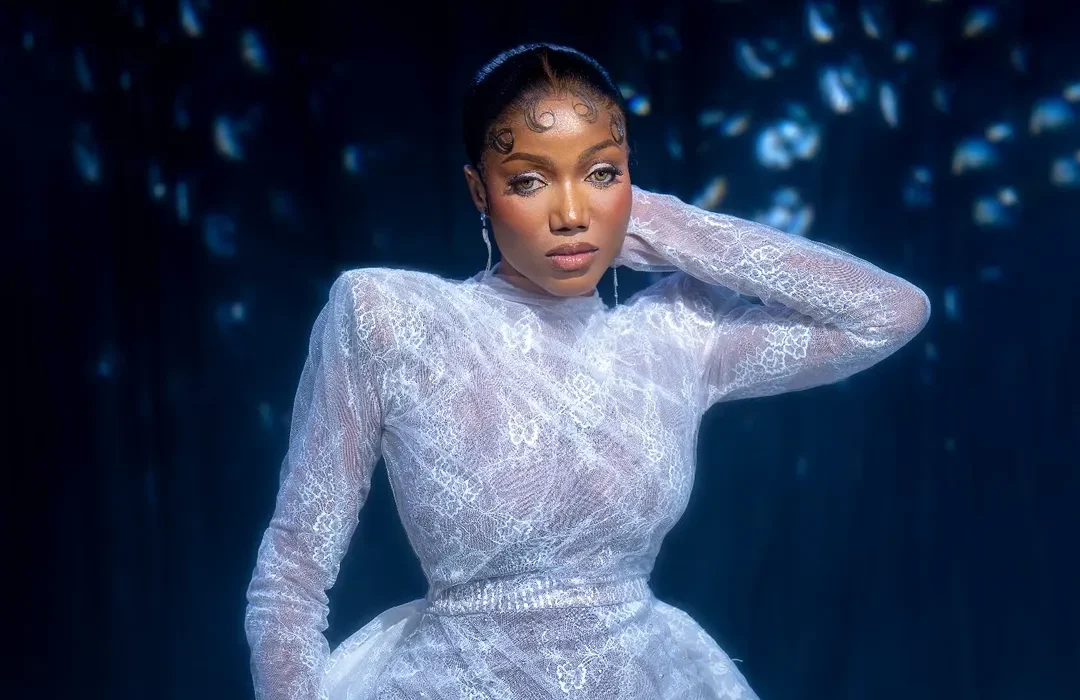
Agbons-GL operates within a contemporary fashion space that values structure, restraint, and intellectual clarity over rapid trend cycles. Under the creative direction of Glory Agbonita Ehizuenlen, the brand has developed a design language rooted in disciplined construction, material integrity, and long-term relevance.
Rather than pursuing constant visibility, Agbons-GL emphasizes process, coherence, and longevity. Its work reflects a considered approach to form and function, positioning the brand within a global movement that prioritizes depth, precision, and responsible creative practice.
In this interview, Ehizuenlen examines the principles that guide her work, the systems that support Agbons-GL’s operations, and the brand’s approach to authorship, sustainability, and long-term positioning within the fashion industry.
La Mode
Agbons-GL is frequently described as a brand that prioritizes clarity, restraint, and depth over speed and visual excess. How would you describe the intellectual foundation of the brand today, and how did this foundation take shape through experience rather than predetermined ideology?
Glory Agbonita Ehizuenlen:
The intellectual foundation of Agbons-GL did not emerge as a fully articulated philosophy from the start. It developed through sustained practice and close evaluation of outcomes over time. In the early stages of the brand, my primary concern was resolution. I wanted garments to feel complete and purposeful, even when I could not yet fully explain what made them successful.
Through repeated cycles of designing, producing, and reviewing collections, patterns began to reveal themselves. I noticed that garments became stronger when unnecessary elements were removed. When I reduced visual noise and focused on structure, proportion, and construction, the work gained clarity and authority. These observations shaped the brand more effectively than any abstract concept could have.
Today, Agbons-GL is grounded in intentionality and discipline. Every decision must serve a clear purpose. The brand is not built on trend responsiveness but on consistency, coherence, and long-term relevance. That foundation continues to evolve through practice rather than declaration.
La Mode
Structure is a defining characteristic of your work, yet it never feels rigid or imposed. How do you approach structure as both a technical framework and a conceptual language within your design process?
Glory:
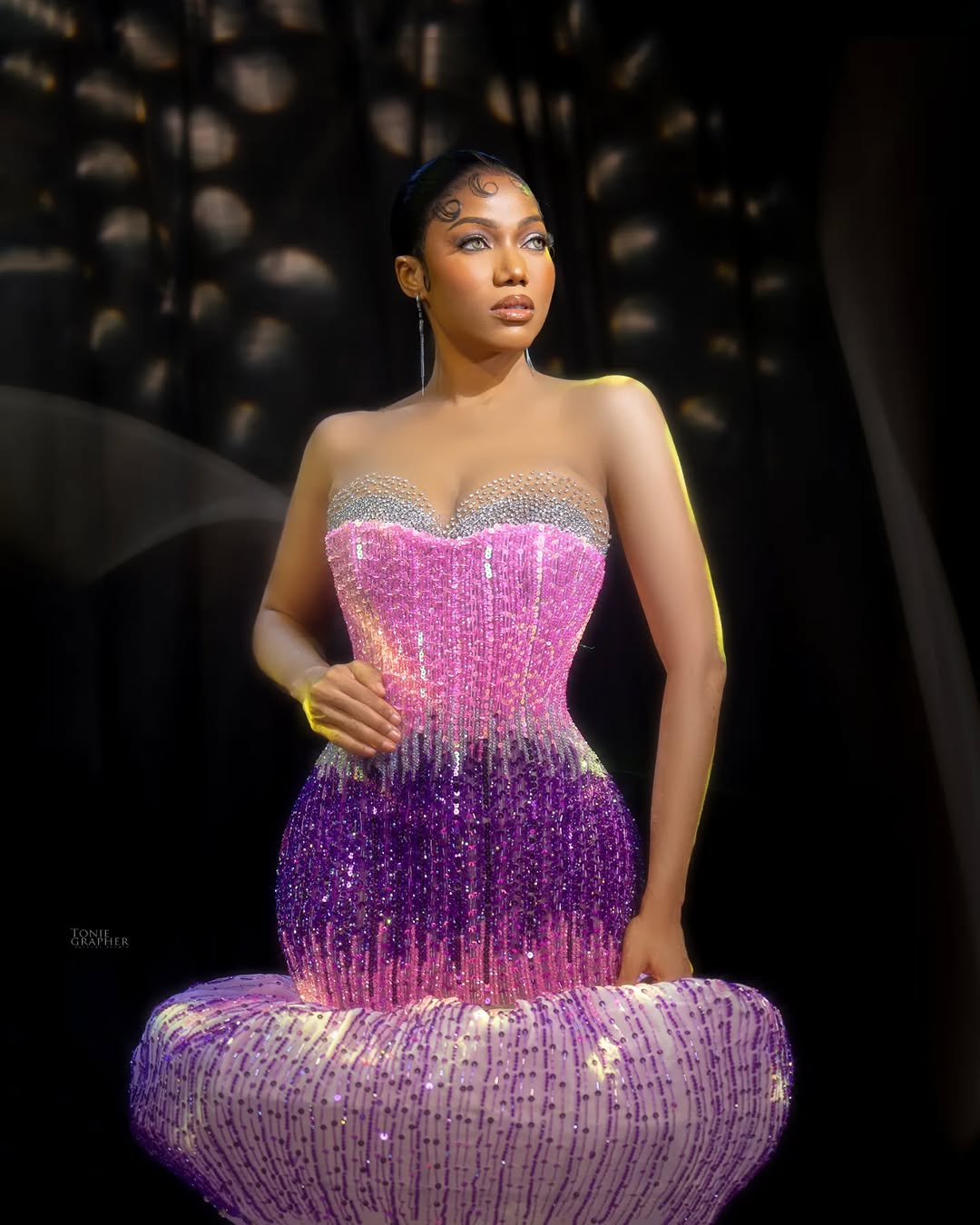
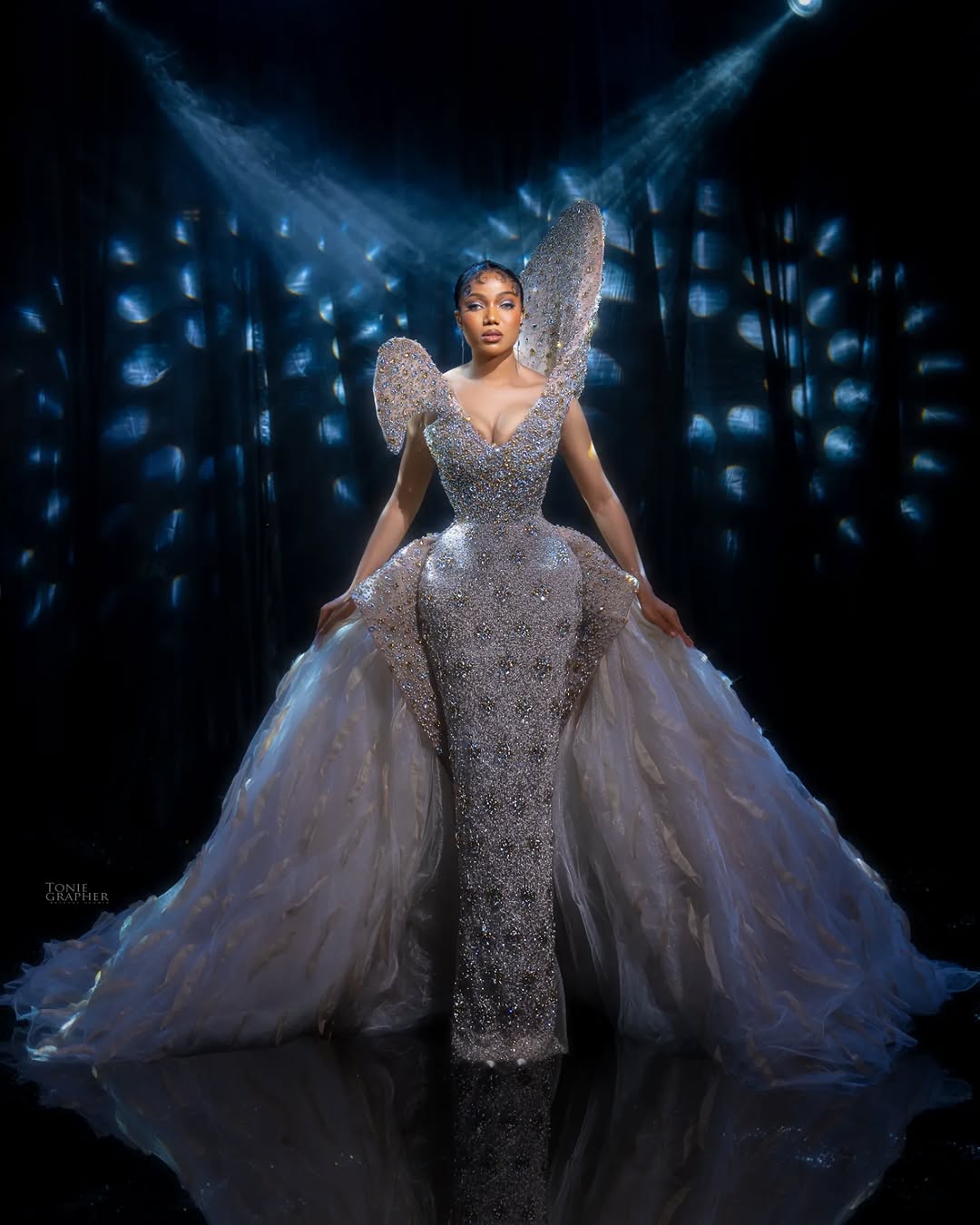
Structure is the underlying system that allows a garment to function, communicate, and endure. Technically, it governs how a piece supports the body, maintains its form, and responds to movement. Conceptually, it shapes how the garment is perceived and how it occupies space.
My approach begins with understanding the body as dynamic. Clothing should move with the wearer while maintaining integrity. This requires careful planning of seam placement, internal reinforcement, and balance. Structure is not about stiffness or exaggeration. It is about control, alignment, and clarity.
Conceptually, structure creates presence. A well structured garment communicates confidence without excess. It allows the wearer to feel supported rather than constrained. This balance between control and fluidity is central to the Agbons-GL identity.
La Mode
Material selection in your collections appears highly disciplined. Can you explain how you evaluate fabrics and why material restraint is so important to the brand’s identity?
Glory:
Material evaluation begins with performance. Before considering aesthetics, I assess how a fabric behaves under tension, how it responds to manipulation, and how it recovers after wear. These qualities determine whether a material can support the intended construction.
If a fabric cannot hold a line, age well, or maintain integrity through repeated use, it is unsuitable regardless of visual appeal. This eliminates many options early in the process, but it ensures consistency and quality.
Material restraint allows for depth rather than variety. By working within a limited range of fabrics, I am able to explore their full potential. This approach strengthens coherence across collections and reinforces the brand’s visual and structural language.
La Mode
Your work reflects a careful balance between instinctive creativity and technical control. How do you ensure that intuition remains productive rather than disruptive within your process?
Glory:
Intuition is essential at the beginning of the creative process. It introduces ideas that are often emotional or abstract. However, intuition alone is insufficient. It must be tested through technical processes to become functional.
Pattern drafting, fittings, and revisions serve as tools for evaluation. They expose weaknesses, redundancies, and imbalances. Through this process, ideas are refined and clarified.
Over time, intuition becomes informed by experience. Decisions are no longer impulsive but grounded in knowledge of construction and proportion. This creates a productive relationship between creativity and discipline.
La Mode
Agbons-GL operates at a measured pace within an industry driven by speed and constant output. How does this pace influence creativity, production, and long-term strategy?
Glory:
Creatively, time allows ideas to mature. It creates space for reflection and revision, which are necessary for depth. Rushed timelines often compromise integrity. From a production standpoint, a slower pace improves quality control and reduces waste. Each stage of development receives adequate attention, resulting in better execution. Strategically, this approach builds trust. Clients understand that each garment has been carefully developed. The brand’s value lies in consistency rather than novelty.
La Mode
How do you define the positioning of Agbons-GL within the global fashion landscape, particularly in relation to visibility and market expectations?
Glory:
Agbons-GL is positioned around substance and endurance. The brand is not designed for immediate impact but for sustained relevance. This clarity influences every decision, from pricing to distribution. Opportunities are evaluated based on alignment rather than exposure. Maintaining this positioning allows the brand to grow steadily without compromising its identity.
La Mode
Sustainability is often discussed in abstract terms. How does Agbons-GL approach sustainability as a practical responsibility?
Glory:
Sustainability begins with restraint. Producing fewer garments with higher quality reduces waste more effectively than mass production labeled as responsible. Operational practices such as controlled production, efficient cutting, and thoughtful sourcing are integrated into daily workflows.
Designing for longevity ensures that garments remain relevant and functional over time, naturally slowing consumption.
La Mode
Research plays a visible role in your practice. How do historical and technical studies inform your work without leading to repetition or imitation?
Glory:
Research provides understanding rather than templates. Historical garments are studied for their construction logic and problem-solving approaches. Technical research ensures that experimentation is grounded in knowledge. This allows innovation to be purposeful rather than arbitrary. By approaching research critically, originality is strengthened rather than diluted.
La Mode
Beyond commercial performance, how do you personally evaluate the success of a collection?
Glory:
Success is measured by coherence and execution. A collection must communicate its intent clearly and function as designed. Longevity is also essential. When garments remain relevant after repeated wear, the work has achieved its purpose. Client engagement confirms trust and relevance over time.
La Mode
What role does discipline play in sustaining creativity over the long term?
Glory:
Discipline provides structure that protects creativity from burnout and inconsistency. It allows ideas to develop responsibly and sustainably. Without discipline, creativity becomes reactive. With it, creativity gains focus and longevity.
La Mode
As the brand grows, how do you ensure that authorship and identity remain intact?
Glory:
Clear principles guide every decision. Growth is approached deliberately and supported by strong systems. Alignment is prioritized over speed. Authorship is preserved through consistency in values and process.
La Mode
What responsibilities do you believe designers hold in shaping contemporary fashion culture?
Glory:
Designers influence consumption, perceptions of quality, and cultural values. This responsibility requires thoughtful decision-making and restraint. Fashion has cultural weight and should be handled with care.


Comments are closed.