

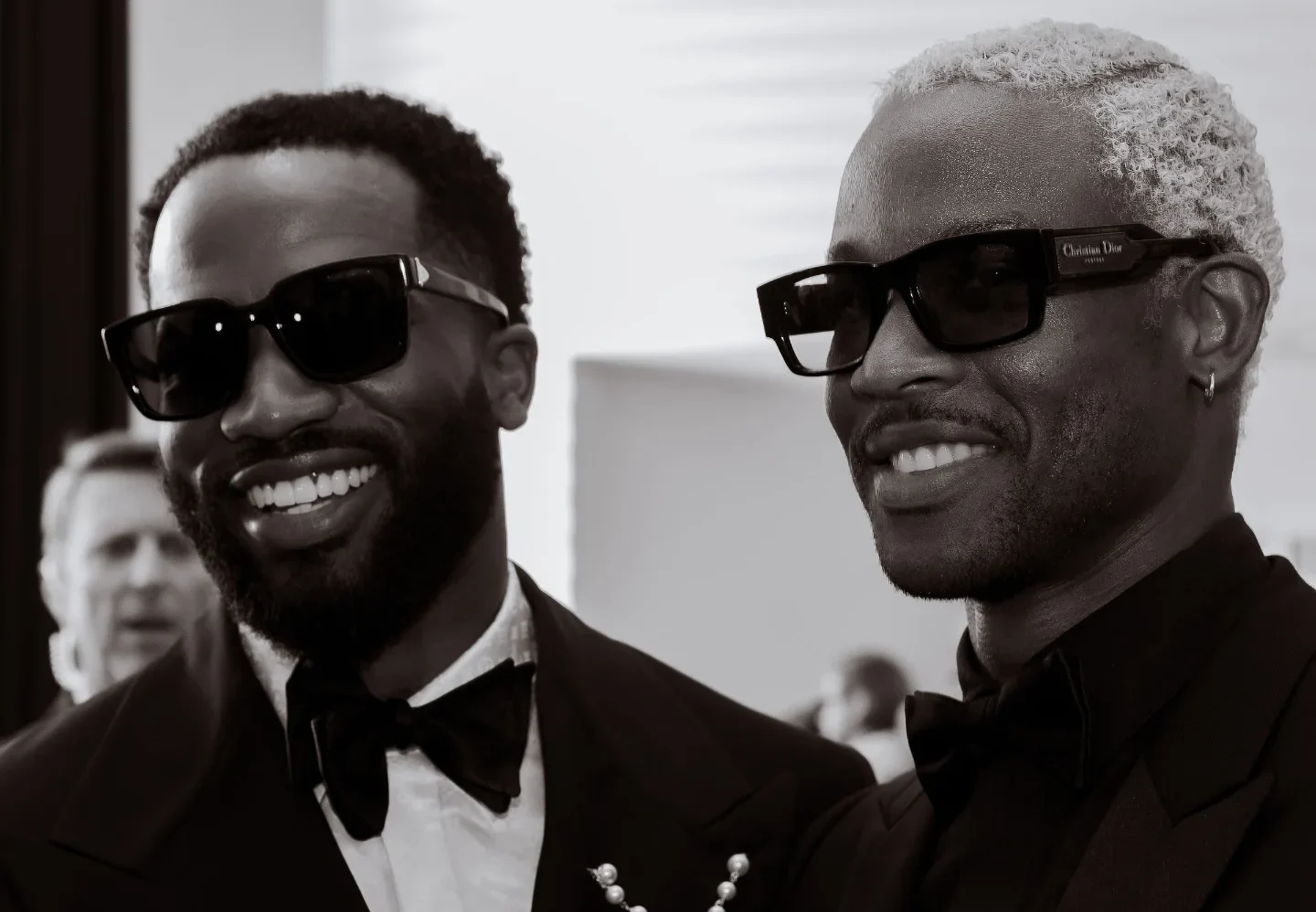
The Academy of Motion Picture Arts and Sciences has invited Akinola Davies Jr. and Ṣọpẹ́ Dìrísù to become members. Both are Nigerian. Both have spent the last several years doing work that has forced global cinema to pay attention.
Now they get a vote.
That distinction matters enormously. Academy membership is not a trophy. It is not a ceremonial recognition handed out alongside a glass award on a red carpet. Members vote on the Oscars. They sit on committees. They participate in the ongoing institutional conversation about what films matter, what stories deserve amplification, and whose craft gets recognised at the highest level of the industry. Getting invited inside that process is categorically different from being celebrated by it from the outside.
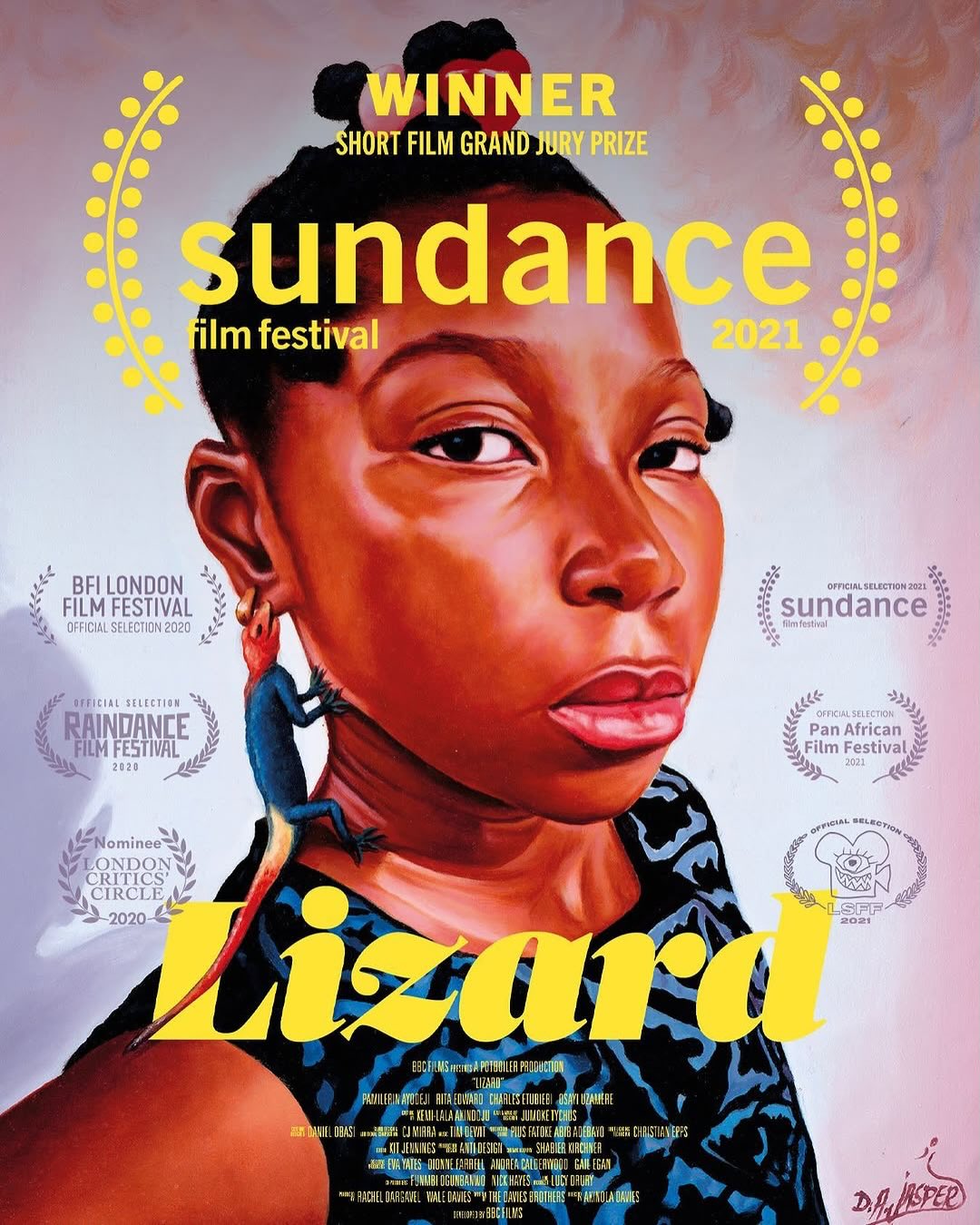
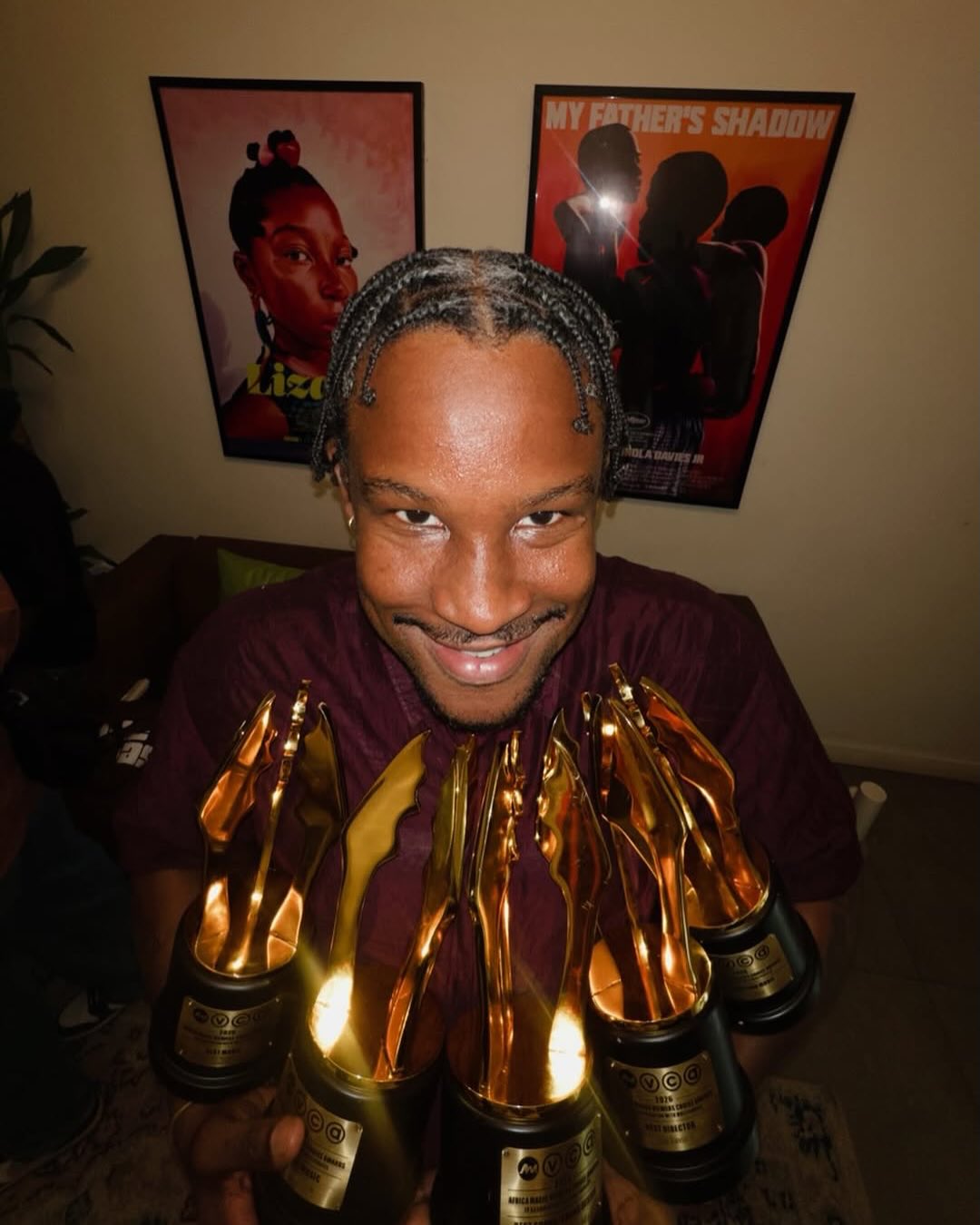
Davies Jr. earned this through an unambiguous body of work. His short film Lizard took the Grand Jury Prize at Sundance in 2021. His debut feature, My Father’s Shadow, became the first Nigerian film selected for Cannes, a fact that should be repeated until its full weight lands — and then swept the AMVCAs earlier this year. He built this from Lagos, through Fatherland Productions, the company he co-founded. None of it was accidental. All of it was deliberate.
Dìrísù’s invitation comes on the strength of his performance in Contactless. His career trajectory has been one of the more compelling stories in contemporary acting, a Nigerian-British performer building serious international credibility without abandoning the specificity of where he comes from.
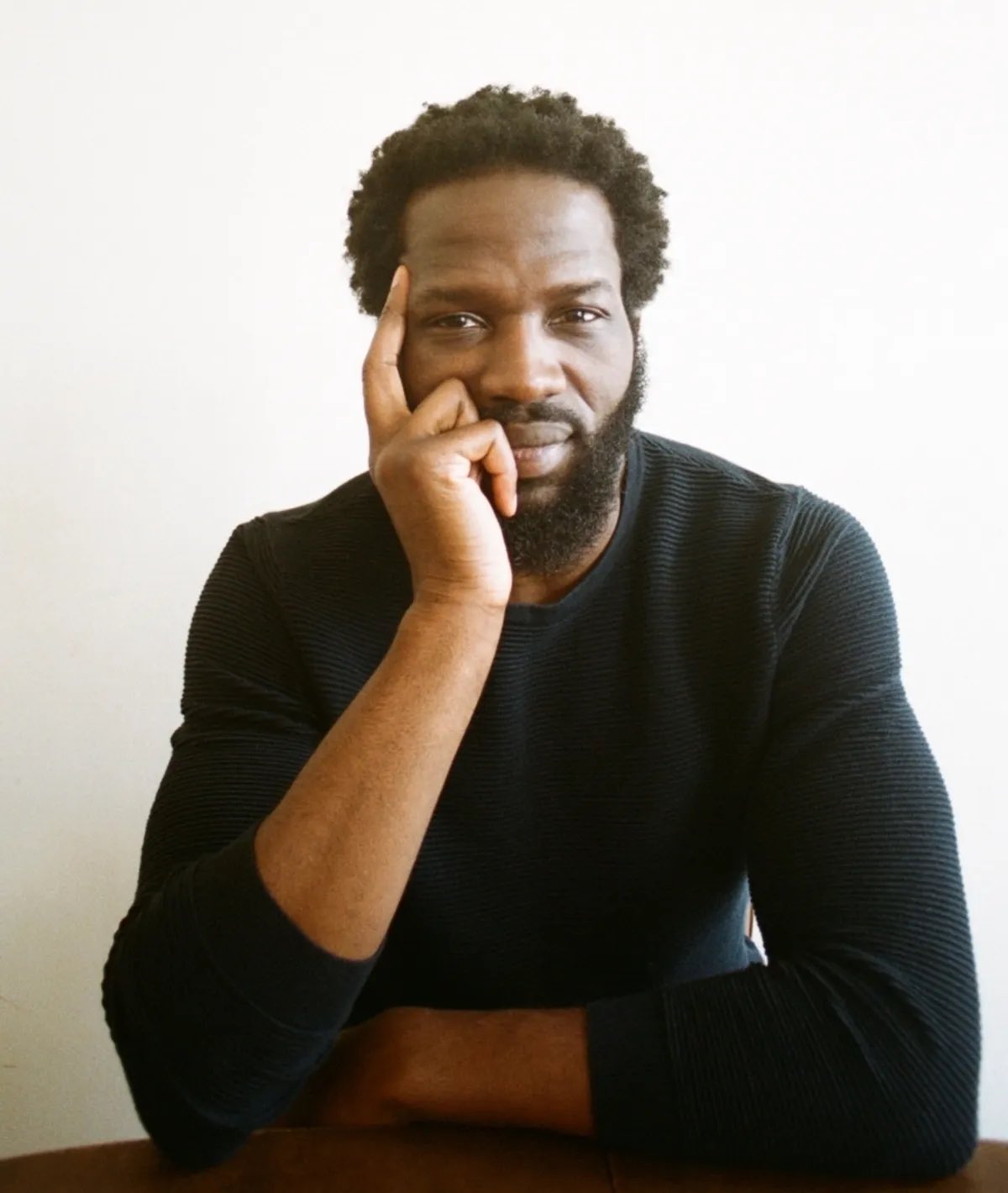
The combined weight of these two invitations is not lost on anyone watching African cinema right now.
For years, the conversation around Nollywood and African film on the global stage has been framed as a potential, a sleeping giant, an emerging force, a continent waiting to be discovered by Western gatekeepers. That framing has always been reductive. The work has been happening. The talent has existed. What has been missing is an institutional presence inside the rooms where global film culture is shaped and legitimised.
Davies Jr. and Dìrísù now have seats in one of those rooms.
The practical implication is direct: Academy members with firsthand understanding of Nigerian storytelling, Lagos production culture, and African creative ecosystems will now participate in decisions about what gets nominated, what gets seen, and what gets remembered. That is not a small thing. Representation in awards bodies does not automatically fix the deeper structural inequities in how African films are distributed, funded, or covered internationally. But it changes the composition of the conversation. And the composition of that conversation has consequences.
What Davies Jr. has built with My Father’s Shadow is already historic. Academy membership makes him, and Dìrísù, part of the infrastructure of global cinema, not just its subject matter.
That is the shift worth marking.
Photography: Instagram, X (Twitter)



Comments are closed.