

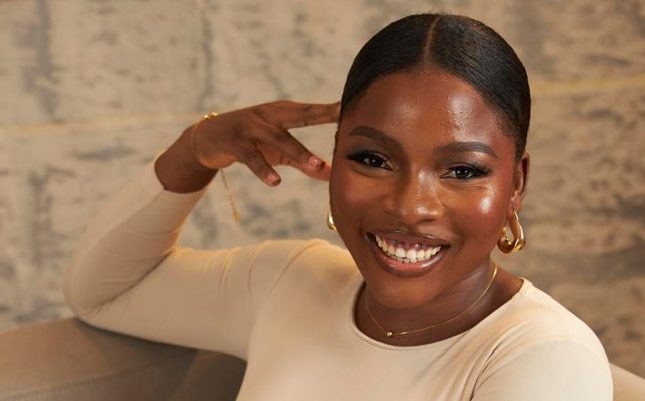
Joy Fache James flew back from Chester last week. Cheshire Fashion Week, her second consecutive British fashion week appearance, following Aberdeen in May 2023, and she is still turning the experience over in her mind when we speak.
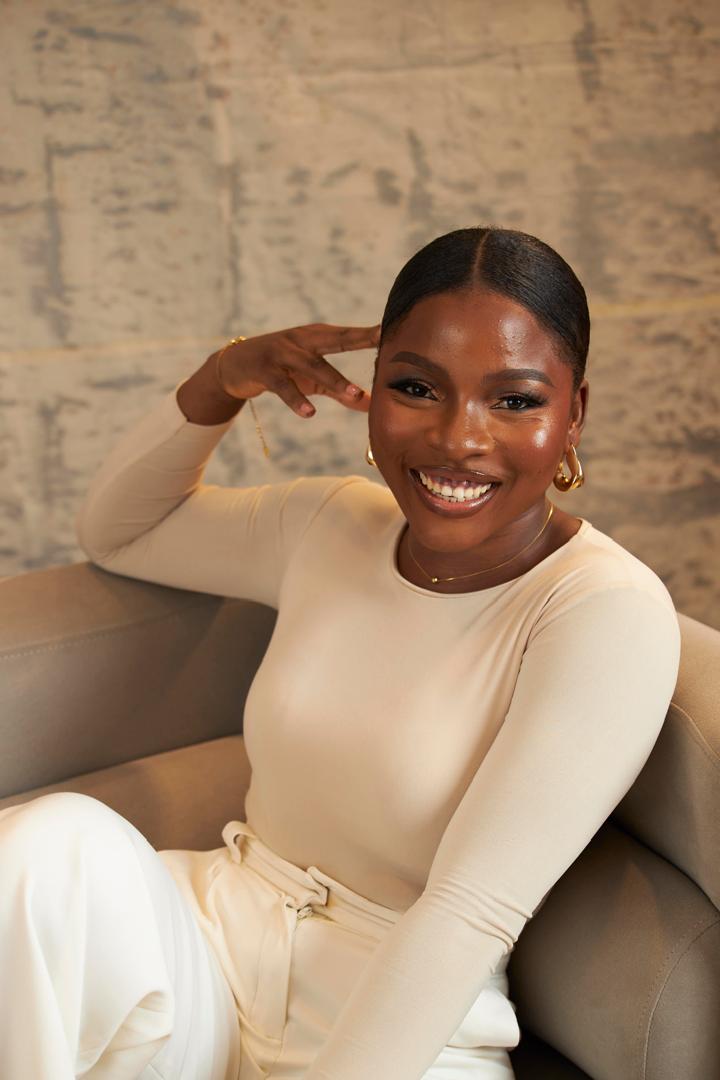
La Mode: You have come back from your second British fashion week. What is still sitting with you?
Joy: How normal it felt. And I mean that in the best possible way.
I had prepared myself, perhaps unconsciously, for the experience of being assessed differently. For walking into a room where the underlying question in every interaction was whether this Lagos brand deserved to be there. But that question wasn’t there. And if it was present for some people, it certainly wasn’t the loudest thing in the room.
But…the work was loudest. When people picked up the bags, they turned them over, asking about the leather and the weaving. These do not sound like polite questions. They’re specific questions. And to your question, I eventually realised partway through that day that I had been carrying an anticipation of resistance that the room was not actually offering me.
La Mode: Where did that anticipation come from?
Joy: The anticipation came from my experience. And other people’s experiences. There is a narrative in the African fashion community about what it costs to show in European spaces, the specific energy required to walk into rooms that have a default assumption about what African fashion is and what it is worth. That narrative is real and it is rooted in real experiences. I do not want to dismiss it.
But I think it is also worth saying that the narrative can become a weight you carry into rooms that do not actually have the thing you are preparing to resist. And carrying that weight changes how you show up. It can make you slightly defensive, slightly over-explanatory, slightly more focused on justifying your presence than on simply being present.
I am still learning how to put that weight down before I walk in.
La Mode: How do you prepare yourself for that? I mean arrange For walking into rooms that don’t know you yet?
Joy: I think a lot of people assume confidence comes from being known. It doesn’t. If you wait until everyone recognizes your name before you feel comfortable walking into a room, you’ll spend a long time waiting.
For me, the preparation happens long before I enter the room. It happens in the workshop. It happens in the decisions nobody sees and in the standards I hold when no one is watching.
Of course there are rooms where people don’t know me nor the brand, and may not expect much. But that doesn’t trouble me as much as it used to, because I’ve learned that first impressions are temporary. What lasts is the experience people have with the work.
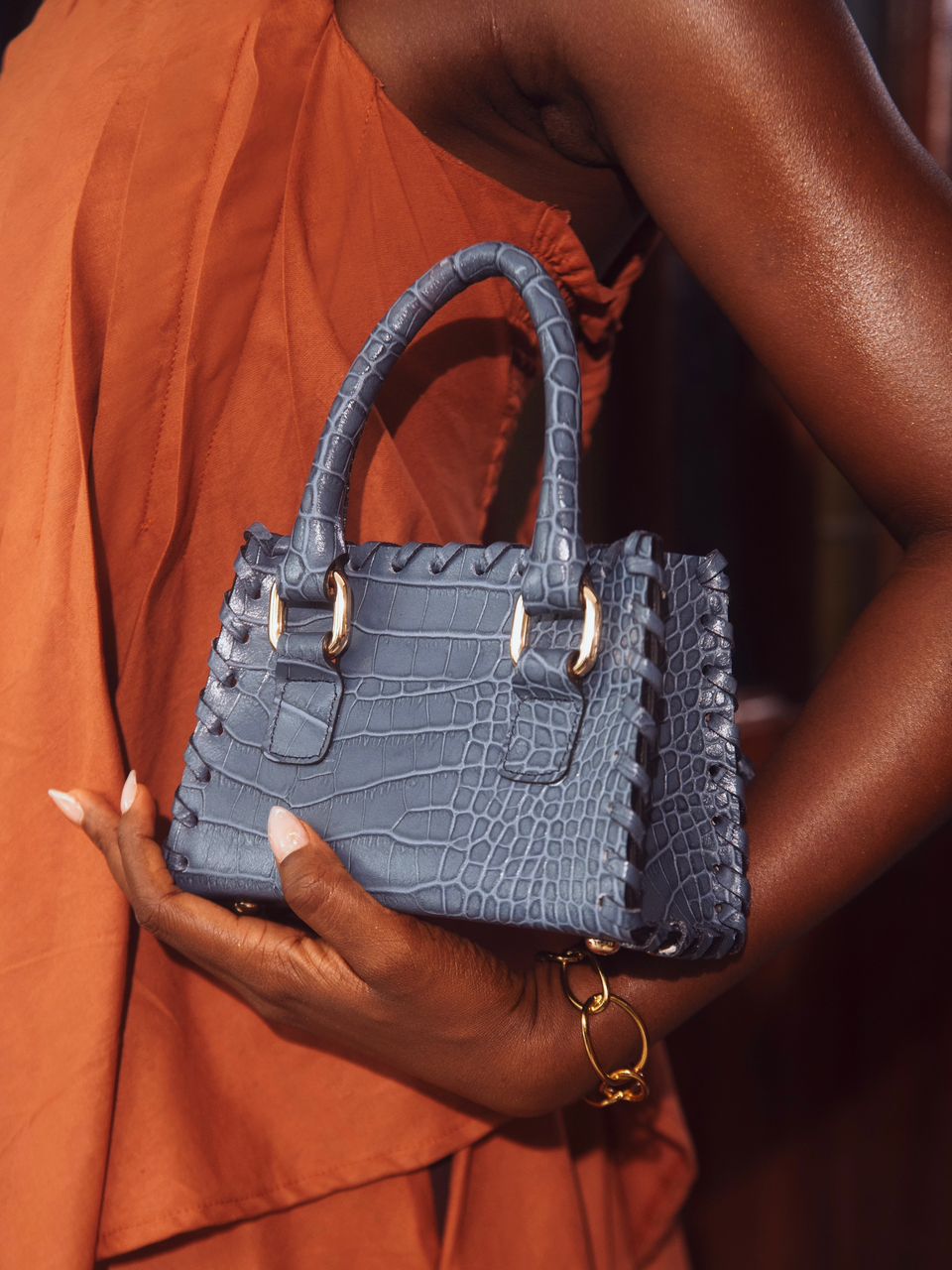
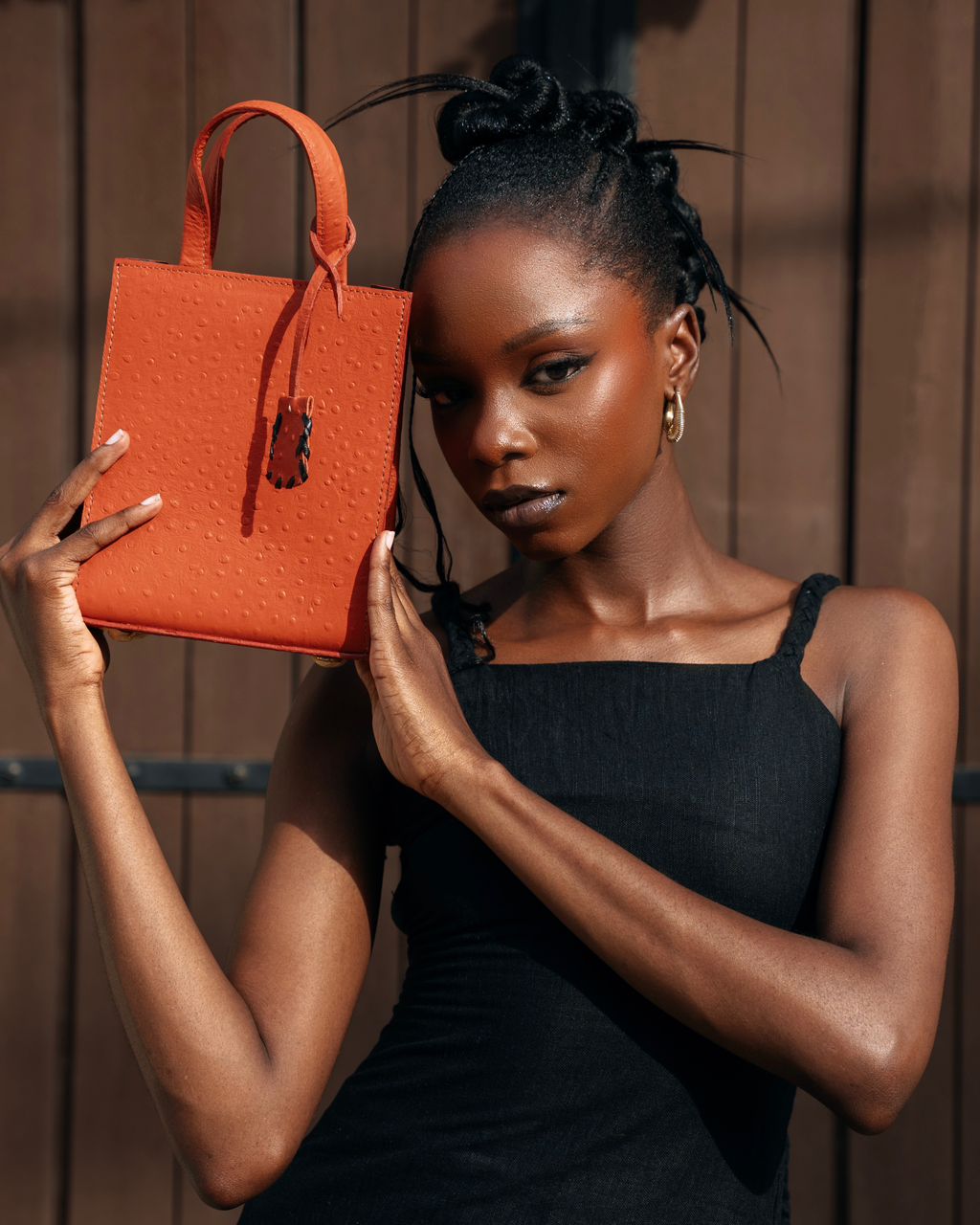
When someone picks up a Paciencia bag, they can feel the leather. They can see the weaving. They can notice the care in the construction. At that point, I no longer have to convince them of anything. The work begins speaking for itself.
So I don’t spend much time preparing to be seen. I spend my time preparing to be worthy of being seen. Those are very different things.
La Mode: that’s powerful. You collaborated with Shawler Couture for Cheshire. How do you choose your collaborators?
Joy: I look for alignment that is not obvious. Not a brand that is doing the same thing as Paciencia. No, that is not collaboration. I look for a brand that is operating from compatible convictions but in a different medium or a different register. A womenswear designer whose relationship to craft, the client, the specific question of what the garment owes the person wearing it, is similar to how I think about what the bag owes the person carrying it.
When that alignment exists, the collaboration produces something that neither brand could have produced alone. The garments and the accessories are in conversation rather than simply co-existing. The viewer or the buyer feels this even if they cannot name it. There is a coherence to the total picture that only happens when the people who made it were thinking from the same place.
La Mode: You have been building a UK customer base through your direct-to-consumer platform before these fashion week appearances. Any comments on that?
Joy: you know what right? The design language travels without explanation.
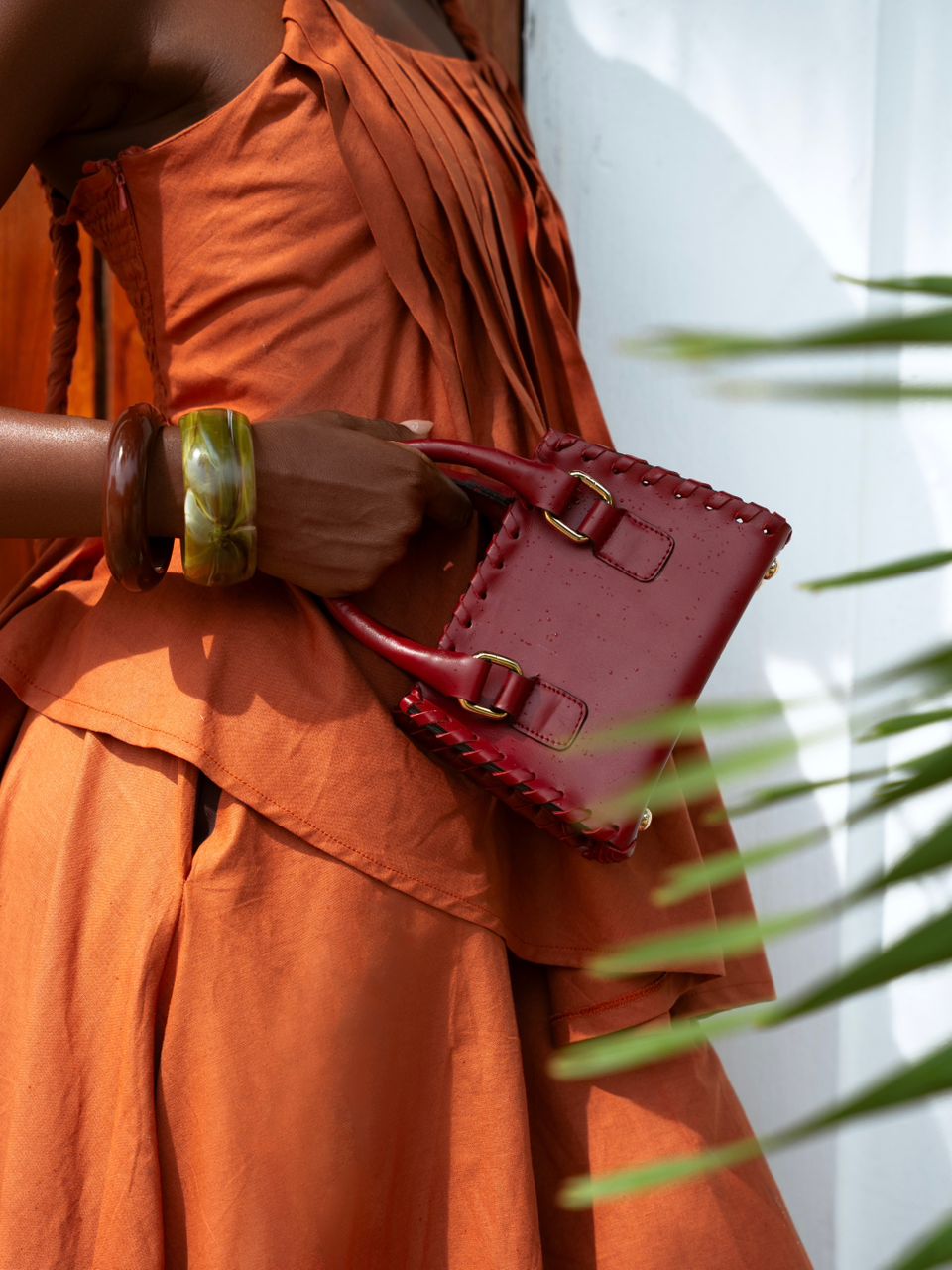
The women buying Paciencia pieces in the UK have never held the leather. They have never touched the weave. These are people who make purchasing decisions based on photographs and on the brand’s communications.
And then the bags arrive. And the leather is what it is. The weave is what it is. And the women who trusted the design language on screen find that the physical object confirms that trust rather than disappointing it.
That is the most important thing a brand can do. Confirm. It should confirm that the quality the image suggested was not the quality of the image but the quality of the actual object.
La Mode: She Creates Fashion Initiative, you launched it in January. Tell me why now, at this particular moment in Paciencia’s trajectory.
Joy: Because the moment felt right in a way that has nothing to do with trajectory.
I launched She Creates because I kept meeting women who had what I had like the eye, the instinct, the commitment, and did not have the business framework I had, and also the understanding of how to build a practice rather than just a product. And I had the knowledge by this point. Two years of building Paciencia gave me the knowledge.
And knowledge that sits inside one person when it could be inside fifty is a waste.
So the timing was responsive. The need was there, and I had something to offer. So I offered it.
La Mode: What do you teach them that nobody taught you?
Joy: The understanding that the work they are making is worth what it costs to make it correctly, and that charging correctly for it is not greed or ambition. It is integrity. It is the refusal to participate in the devaluation of African craft by pricing it as though it is worth less than craft made elsewhere.
This is the thing that takes the longest to absorb. Because most young creatives in this industry have been trained, directly or indirectly, to price low to get customers. To make the work accessible by making it cheap. And cheap and accessible are not the same thing. Cheap is a race to the bottom that no one wins. Accessible is a design and distribution challenge that can be solved without compromising the standard.
I want them to understand the difference. And then I want them to charge correctly.
La Mode: Finally, you are in your fourth year. What does the brand feel like from the inside right now?
Joy: Settled. That is the word.
The brand is nowhere near finished. But settled in the way that something feels when the foundation has been built correctly, and you can feel it holding under the weight of everything being built on top of it.
In the first two years, I was building and hoping simultaneously, you know? Building the design language and hoping it was strong enough, building the production infrastructure and hoping it would hold, building the international presence and hoping the rooms would receive the work the way I believed they should. The hope and the building were happening at the same time, which is an uncomfortable way to work.
Now the building and the evidence are happening at the same time. The Emmy Kasbit runway was evidence. London Fashion Week will be evidence. The customers in the UK who receive the bags and find that the object confirms the image, that is evidence.
I am still building. But I am building on ground that I know is solid now.
That is a different feeling. A better one.



Comments are closed.