

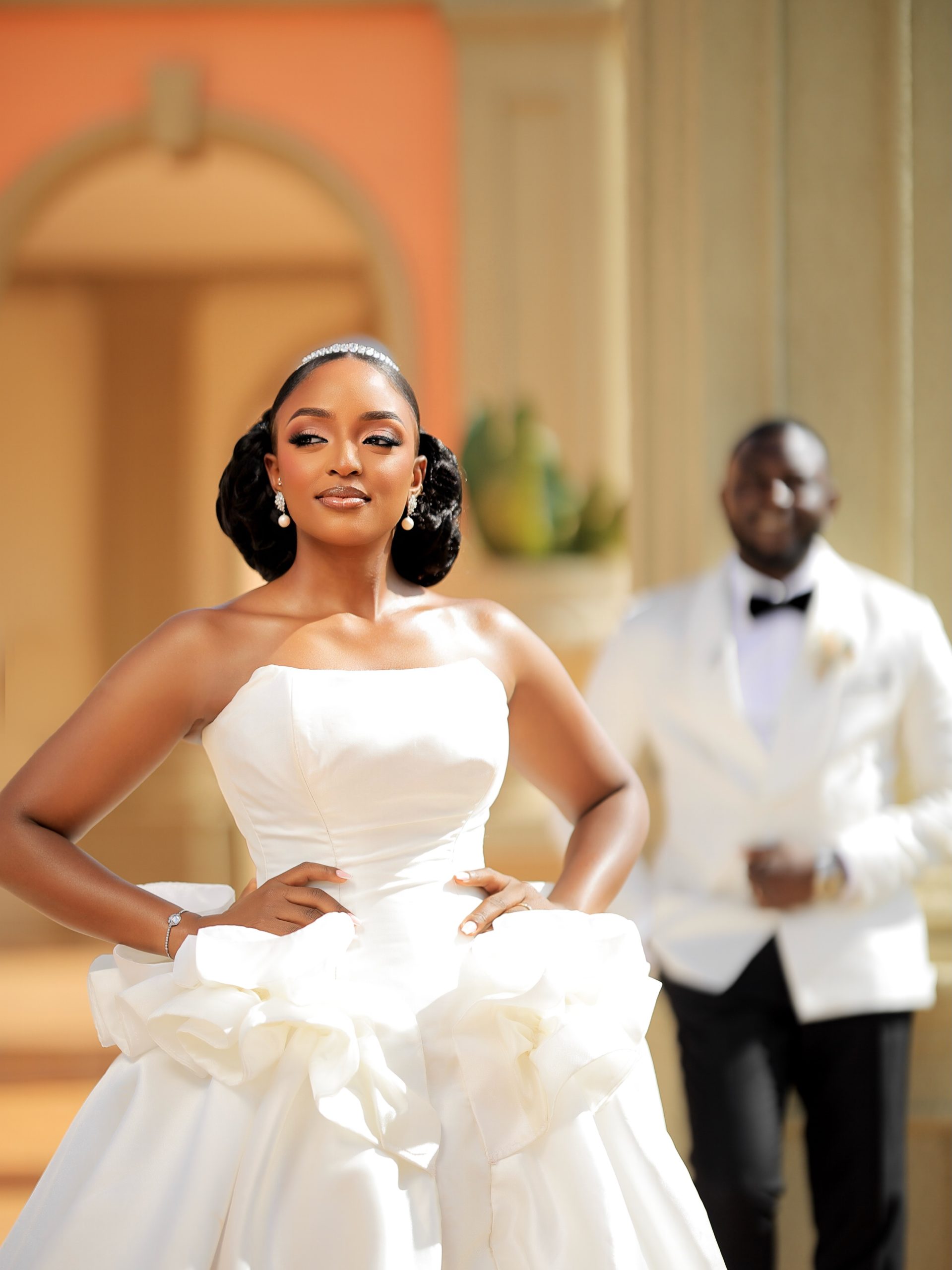
Planning a wedding is exciting until the bills start coming in. You have the venue, the outfits, the décor and the guest list to think about, but somehow, the budget keeps growing. One vendor quotes an amount, another introduces an additional charge, and before you know it, expenses you never planned for are competing for attention.
For Nigerian couples, wedding planning can be particularly demanding. Between traditional and white wedding ceremonies, Aso Ebi arrangements, catering, entertainment and family expectations, there are several moving parts to manage. The challenge is not always how much you have to spend, but knowing where that money should go first.
So, before you start paying deposits and making commitments, here are the wedding expenses that deserve more attention than couples often give them.
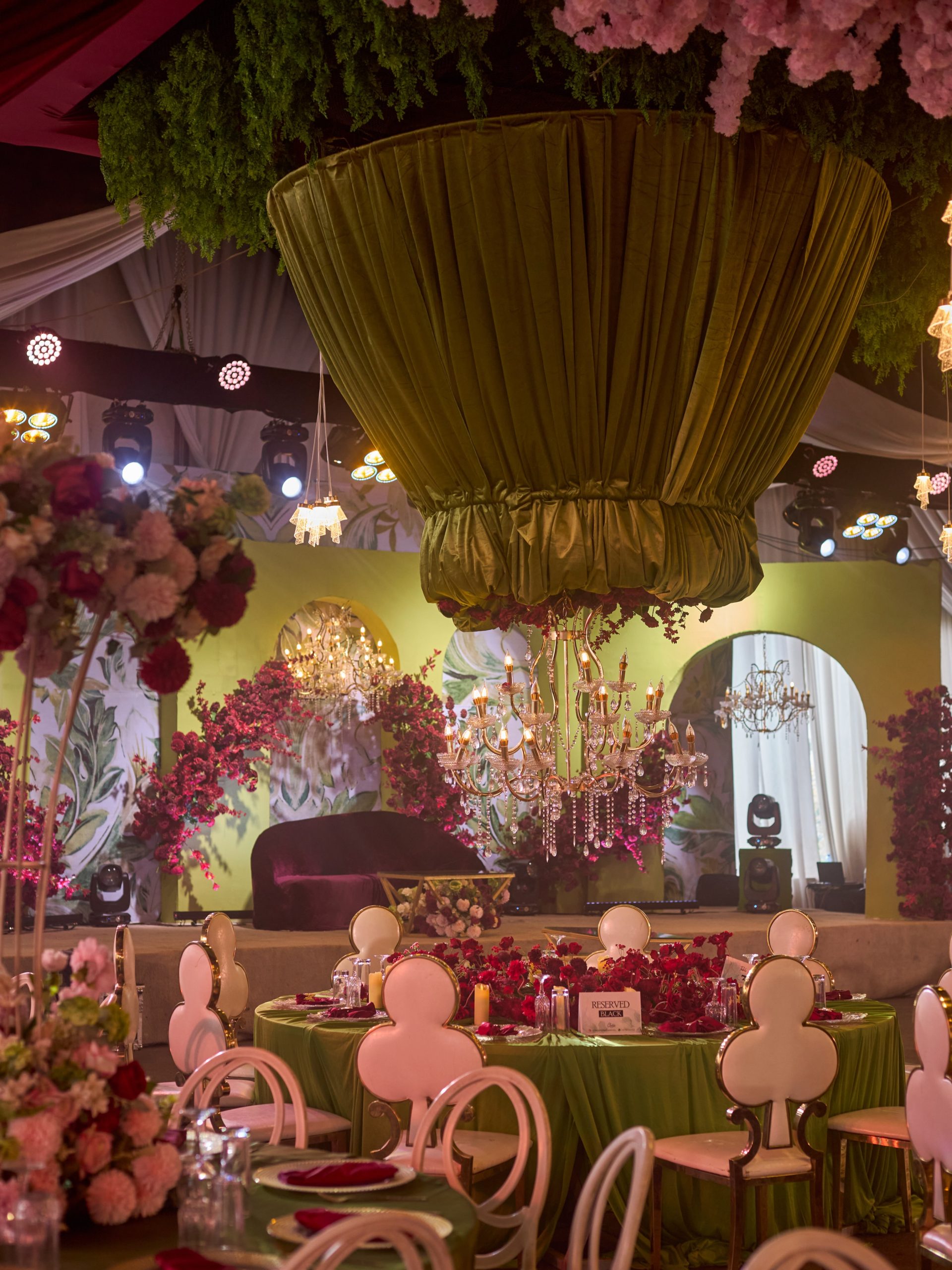
1. Start With Your Guest List, Not the Décor
It is tempting to begin wedding planning with venue inspiration, floral arrangements and beautiful reception ideas. However, your guest list should come first because it influences several other expenses.
The number of guests determines how much food, drinks, seating, invitations and sometimes even venue space you need. Increasing your guest list by 50 or 100 people may seem like a small adjustment, but the additional catering, drinks, chairs and other provisions can add up quickly.
Before booking anything, agree on a realistic guest count with your partner and families. Separate your essential guests from those you would like to invite if the budget allows.
The takeaway: Your guest list is not just a list of names. It is one of the biggest factors determining how much your wedding will cost.
2. Don’t Underestimate Catering and Drinks
Food is one of the things guests remember long after a wedding, and it is also an area where costs can increase without much warning.
Couples may budget for the main meals but forget about small chops, cocktails, water, soft drinks, additional servings, vendor meals and the possibility of extra guests. The cost of catering also depends on the menu, service style, number of servers and whether the caterer provides serving equipment.
Drinks deserve their own allocation. If you are providing both alcoholic and non-alcoholic options, calculate the quantities carefully rather than making estimates based on the number of invited guests alone.
The takeaway: Request a detailed catering quotation that shows the cost per guest, menu options, drinks, service charges and any additional provisions.
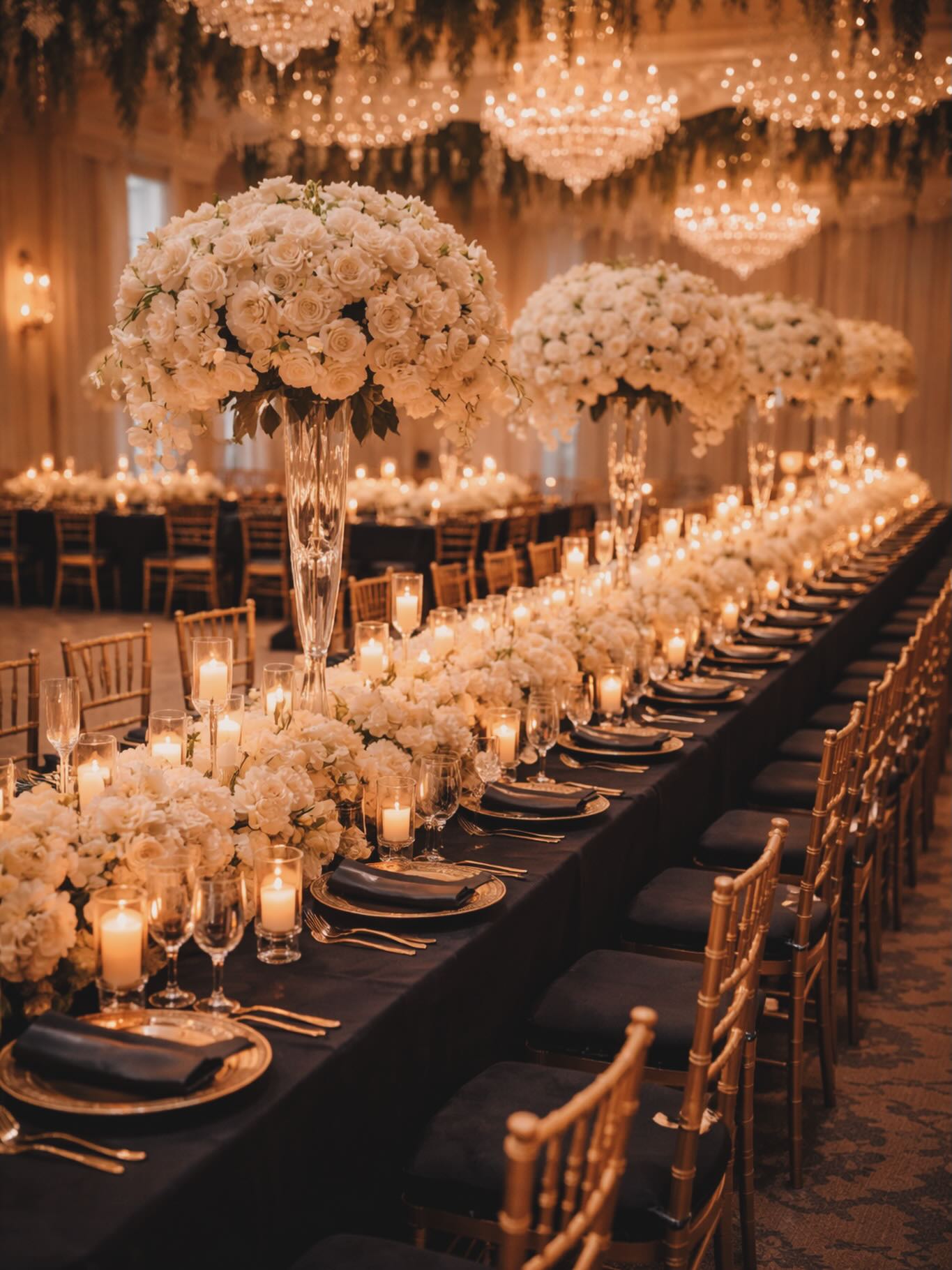
3. Venue Costs Go Beyond the Booking Fee
Finding a beautiful venue within your budget is a good start, but the booking fee may not cover everything you need.
Some venues charge separately for security, cleaning, electricity, generators, additional hours and the use of certain facilities. You may also need to pay for tables, chairs, canopies, changing rooms or other equipment depending on what the venue provides.
Before paying a deposit, ask for a breakdown of what is included and what attracts additional charges. Also consider accessibility, parking and the distance between the ceremony and reception venues.
The takeaway: Compare venues based on their total cost of use, not just the advertised rental price.
4. Décor Can Become More Expensive Than Expected
A beautifully decorated wedding venue can create the atmosphere you want, but décor is one area where the budget can easily expand.
Beyond flowers and centrepieces, you may need to account for stage construction, backdrops, lighting, aisle styling, table settings, entrance installations, floral arrangements and special effects. Some couples also request customised installations that require additional materials, labour and transportation.
The challenge is that décor inspiration online can make it easy to keep adding details without considering their individual costs.
Instead of trying to recreate every idea you see, identify the elements that will make the biggest visual difference. A well-designed stage, thoughtful lighting and coordinated table styling can create a beautiful setting without requiring every corner of the venue to be transformed.
The takeaway: Give your decorator a clear budget and prioritise the areas guests will notice most.
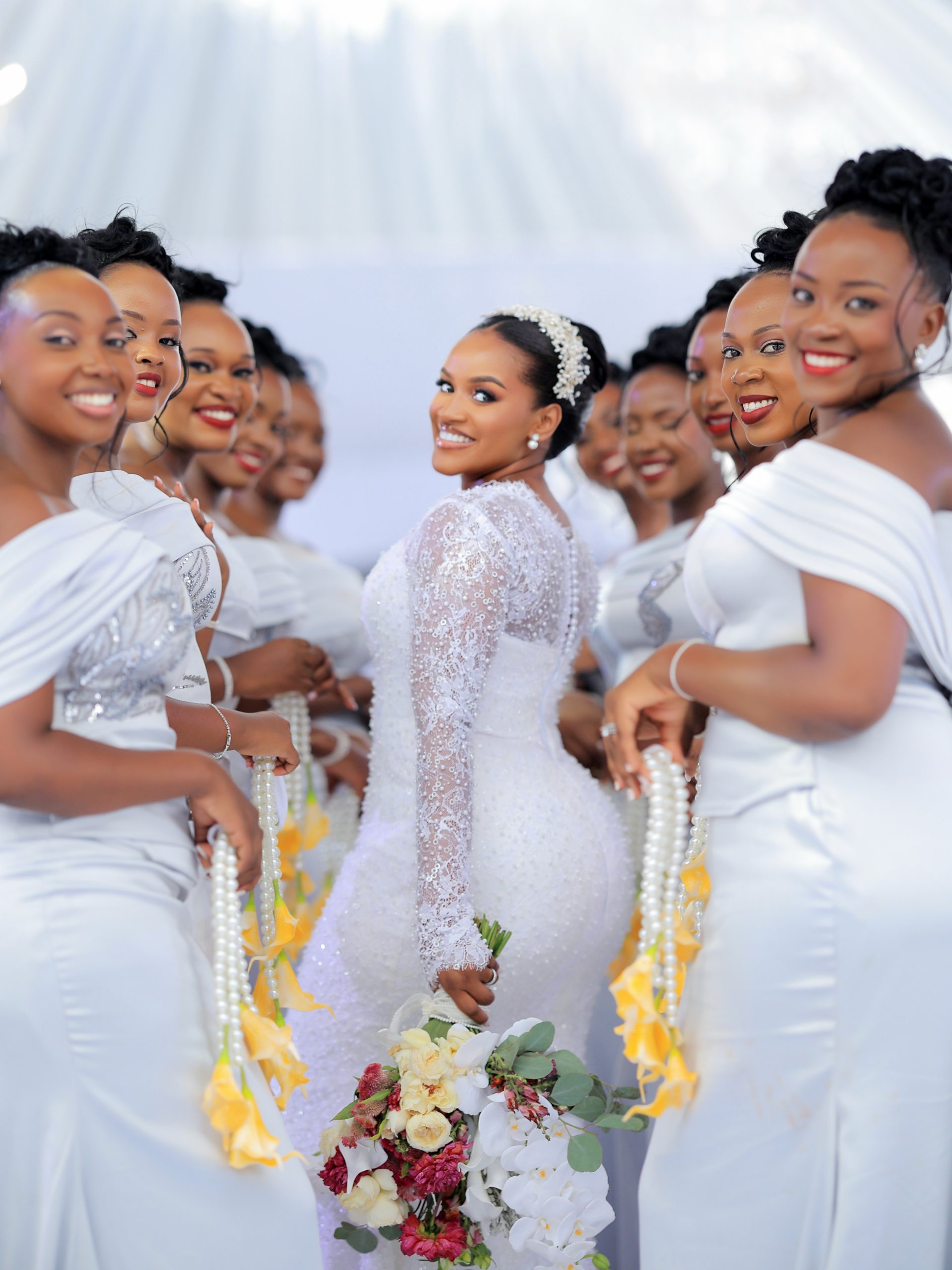
5. Remember the Costs of Getting Everyone Ready
Wedding outfits are usually included in the budget, but the full cost of getting dressed for the occasion often goes much further than buying or making the clothes.
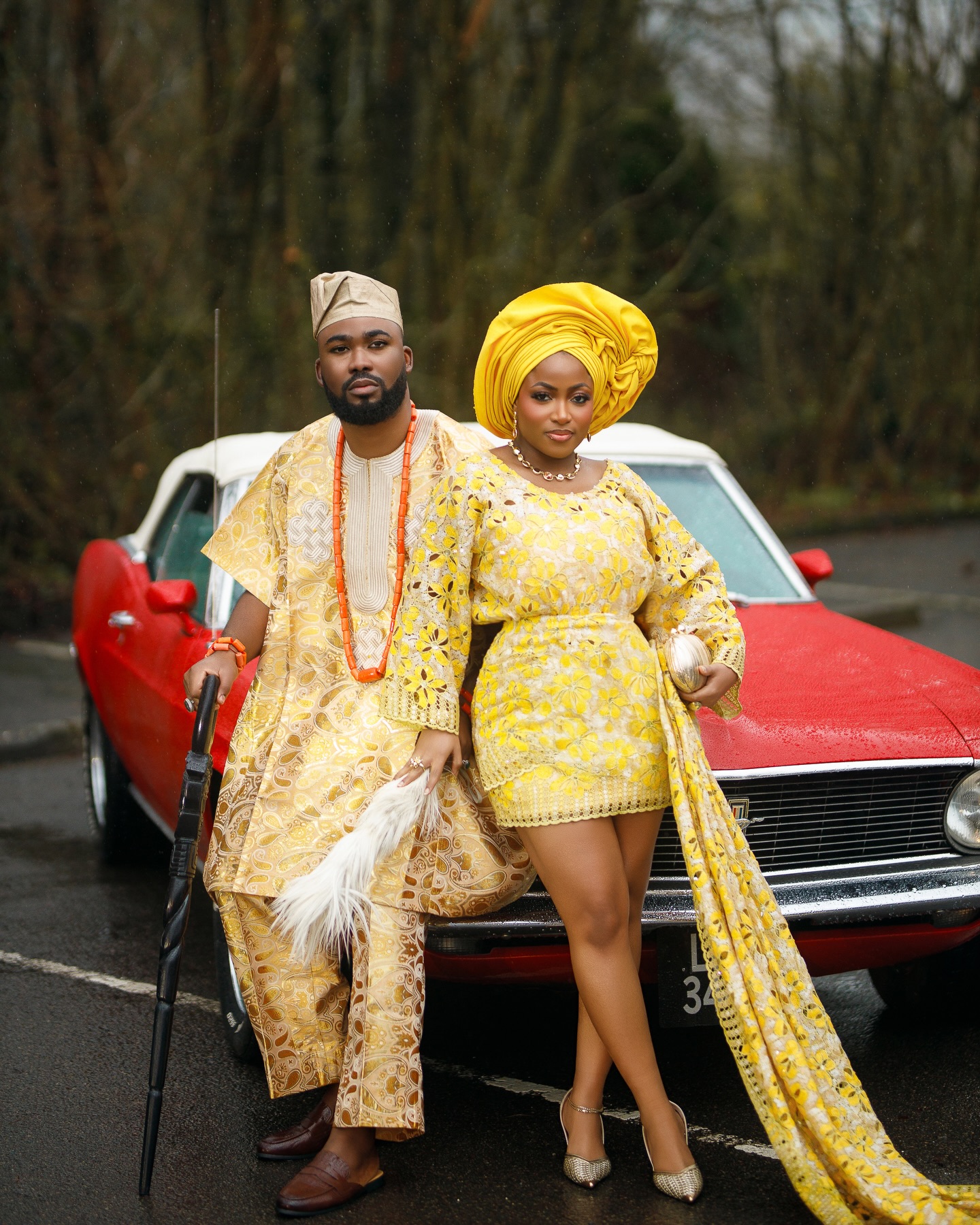
For the couple, there may be multiple outfits for the engagement, traditional ceremony, church wedding and reception. Alterations, fittings, shoes, jewellery, accessories, gele styling, makeup, hairstyling and dressing assistance all need consideration.
There may also be additional expenses for bridesmaids, groomsmen or other members of the wedding party, depending on what the couple has agreed to cover.
If you are working with a designer or tailor, confirm whether the quotation includes fittings, alterations, accessories and delivery.
The takeaway: Budget for the complete look, not just the outfit itself.
6. Photography and Videography Are Not the Place for Last-Minute Decisions
The wedding day will pass quickly, but the photographs and videos will remain long after the celebration. This makes photography and videography important investments that deserve early consideration.
However, the quoted package may not include everything you expect. Additional photographers, engagement sessions, drone coverage, highlight films, extended coverage, albums and extra editing requests may attract separate fees.
Transportation, accommodation and feeding for the creative team may also need to be covered, particularly when the venue is outside their usual location.
Before booking, discuss the coverage hours, number of deliverables, delivery timeline and any additional charges.
The takeaway: Choose a package that covers the moments that matter most to you, and make sure you understand exactly what you are paying for.
7. Transport, Logistics and Vendor Feeding Add Up
These expenses rarely receive the same attention as décor or outfits, but they can make a noticeable difference to the final bill.
You may need transportation for the couple, wedding party, family members, vendors and equipment. If the ceremony and reception take place at different locations, movement between venues also needs to be considered.
There are other practical details too: vendor meals, accommodation, equipment transportation, loading and unloading charges, parking arrangements and additional labour.
These costs become particularly important when you are working with several vendors or hosting celebrations across multiple days.
The takeaway: Ask every vendor about their logistical requirements before finalising the agreement.
8. Set Aside Money for the Things You Haven’t Planned Yet
Even with a detailed budget, unexpected expenses can arise. A supplier may revise a quotation, additional guests may attend, an outfit may require alterations or the event may run longer than expected.
This is why a contingency allocation matters. Rather than committing every naira to a specific item, reserve a portion of your overall budget for unexpected costs.
A contingency of around 5–10% is a useful planning starting point, although the appropriate amount depends on the complexity of the wedding and how firmly your vendor costs have been agreed.
Keep this money separate from your regular spending so that it remains available when genuinely needed.
The takeaway: A wedding budget without room for unexpected expenses is likely to become a stressful one.
So, Where Should Your Wedding Budget Go First?
Before deciding how much to spend on individual details, establish your priorities. Start with the guest count, venue, food and drinks, then allocate money to the outfits, photography, décor, entertainment and other services according to what matters most to you.
Get written quotations, compare what different vendors actually include and avoid making payments based solely on attractive photographs or verbal promises. Most importantly, agree on your spending limit before planning begins and make sure both families understand the financial boundaries.
A beautiful wedding does not have to be the most expensive wedding. It should be a celebration that reflects your personalities, accommodates your guests and leaves you with wonderful memories without placing unnecessary financial pressure on your new beginning.
A little planning now can save you a lot of surprises later.


Comments are closed.